Choosing a hairstyle is rarely just about hair. It affects how a face reads in photos, how much time a morning routine takes, and how confident someone feels walking into a room. The right hairstyle works with your hair type, face shape, lifestyle, and the amount of maintenance you’re actually willing to do , not just what looks good on a stranger with different hair. This guide breaks down the main hairstyle categories, how to match a style to your features and routine, and the practical details , cut, color, styling tools, upkeep , that make a hairstyle actually work day to day.
Understanding Hairstyles by Hair Type
Hair type is the starting point for almost every styling decision, since a cut that looks sleek on straight hair can behave completely differently on curly or coily hair.
Straight Hair
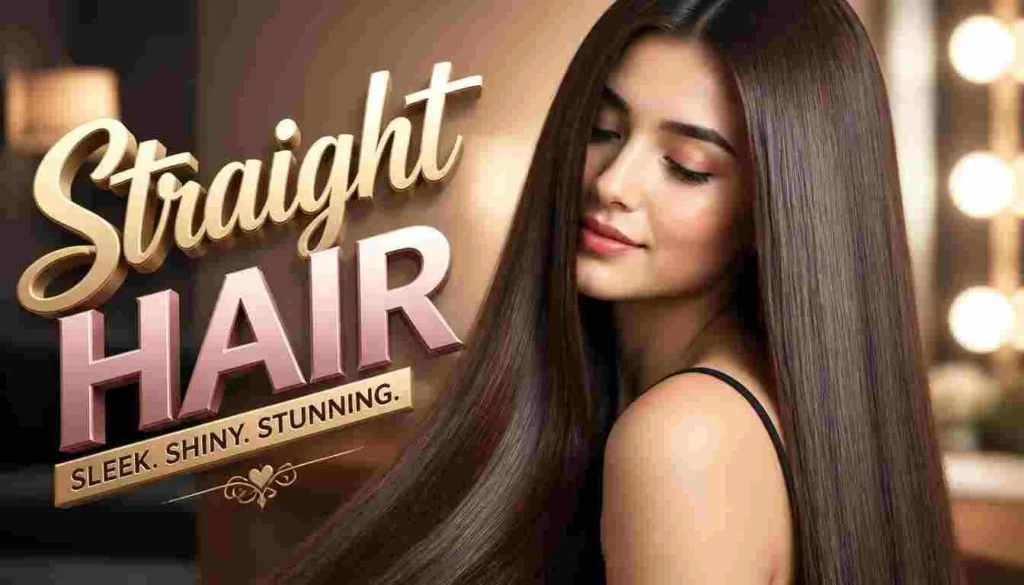
Straight hair tends to show shine easily and holds sleek shapes well, but it can also fall flat without texture. Blunt bobs, long layers, and sleek ponytails all read cleanly on straight hair. Volumizing mousse at the roots and a round brush during blow-drying help prevent flatness.
Wavy Hair

Wavy hair sits between straight and curly, and it responds well to layered cuts that let the natural wave move. Beachy layers, shag cuts, and lived-in lobs (long bobs) tend to enhance wave pattern instead of fighting it. A curl-defining cream applied to damp hair, then air-dried or diffused, keeps waves defined without frizz.
Curly Hair
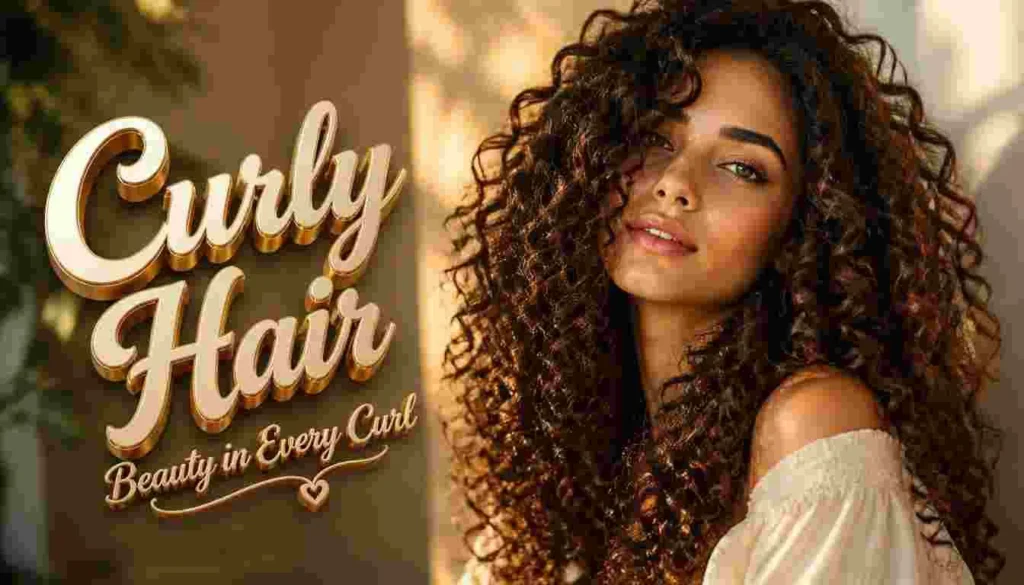
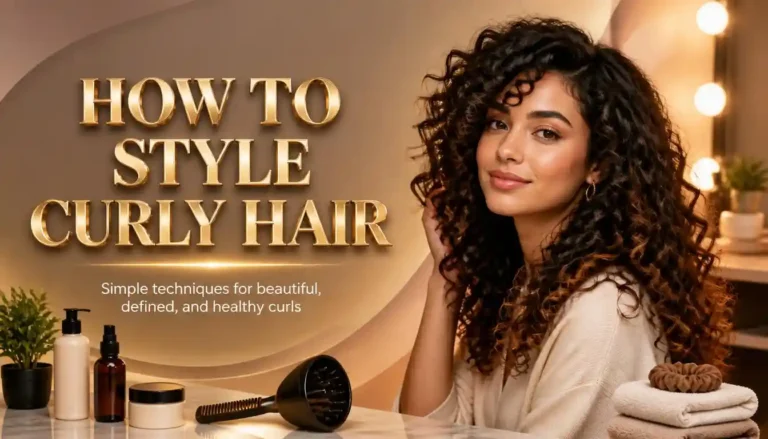
Curly hair shrinks as it dries, so cuts are often done curl-by-curl or with the hair slightly stretched to predict the finished shape. Layered curly cuts, curly bobs, and long curls with face-framing layers are common choices. The “curly girl method” , avoiding sulfates and silicones, using leave-in conditioner, and scrunching product upward , is widely used to reduce frizz and define curl clumps.
Coily and Textured Hair
Coily hair has a tight curl pattern and benefits from deep conditioning and protective styling. Twist-outs, braids, bantu knots, and wash-and-go styles are popular because they work with the hair’s natural structure. Protective styles like box braids or cornrows can also reduce daily manipulation and support length retention.
Hairstyles by Face Shape
Matching a hairstyle to face shape is a helpful starting point, though personal preference and hair texture matter just as much as the “rules” below.
- Round faces: Styles with height at the crown and layers around the jaw, such as a long layered cut or a side-swept pixie, can add visual length.
- Square faces: Soft layers, side-swept bangs, and waves soften strong jawlines.
- Oval faces: Most hairstyles suit oval face shapes, including blunt bobs, long layers, and curtain bangs.
- Heart-shaped faces: Chin-length bobs and side-swept styles balance a wider forehead with a narrower chin.
- Long faces: Fringe or bangs, and styles with width at the sides, help shorten the appearance of the face.
These are general tendencies, not fixed rules , a skilled stylist can adapt almost any cut to flatter a given face shape.
Popular Hairstyle Categories
Short Hairstyles
Pixie cuts, cropped bobs, and buzz cuts fall into this category. Short hairstyles tend to require more frequent trims , usually every four to six weeks , to maintain shape, but they cut down significantly on daily styling and drying time.
Medium-Length Hairstyles
Lobs (long bobs), shoulder-length layers, and shags are versatile because they can be worn straight, wavy, or curled, and they work for both casual and professional settings.
Long Hairstyles
Long layers, blunt long cuts, and long curls offer the most styling versatility , updos, braids, half-up styles , but require more conditioning and detangling to prevent breakage.
Updos and Braided Styles
Buns, chignons, French braids, and fishtail braids work well for formal occasions, workouts, or hot weather, since they keep hair off the face and neck.
Bangs and Fringe
Curtain bangs, blunt bangs, and side-swept fringe change the framing of the face without requiring a full haircut. Bangs generally need trimming every three to four weeks to keep their shape.
Cute Hairstyles
Cute hairstyles are fun, stylish, and attractive hair looks that can make your overall appearance feel fresh and polished. They can be simple enough for everyday wear or more creative for parties, weddings, school, or special occasions.
Popular Cute Hairstyles
- Messy Bun – A relaxed bun that looks effortless and works well for casual days.
- Half-Up, Half-Down – Keeps some hair away from the face while letting the rest flow naturally.
- Cute Braids – French braids, Dutch braids, and simple side braids add a charming touch.
- High Ponytail – A classic style that gives a youthful and energetic look.
- Low Ponytail – Simple and elegant, especially with a few loose strands around the face.
Hairstyles for Girls
Whether for school, everyday wear, parties, or special occasions, there are many cute hairstyles for girls that are easy to create and comfortable to wear.
Cute Hairstyles for Girls
- High Ponytail – Simple, neat, and perfect for active days.
- Two Braids – A classic hairstyle that works especially well for school.
- French Braid – Stylish and practical for keeping hair tidy.
- Half-Up Hairstyle – A cute choice for both casual and dressy looks.
- Space Buns – Fun and playful for younger girls.
Braided Hairstyles
Braided hairstyles are versatile, stylish, and practical. They can work for everyday looks, school, work, parties, weddings, and special occasions. From simple three-strand braids to detailed Dutch and French braids, there are options for almost every hair length and texture.
Cute Braided Hairstyles
- Classic Three-Strand Braid – Simple, timeless, and easy to create.
- French Braid – A polished style that keeps hair neatly secured.
- Dutch Braid – Similar to a French braid but creates a raised, dimensional effect.
- Fishtail Braid – A delicate, textured braid that looks especially pretty with long hair.
- Waterfall Braid – A romantic style that lets sections of hair flow through the braid.
Half-Up, Half-Down Hairstyles
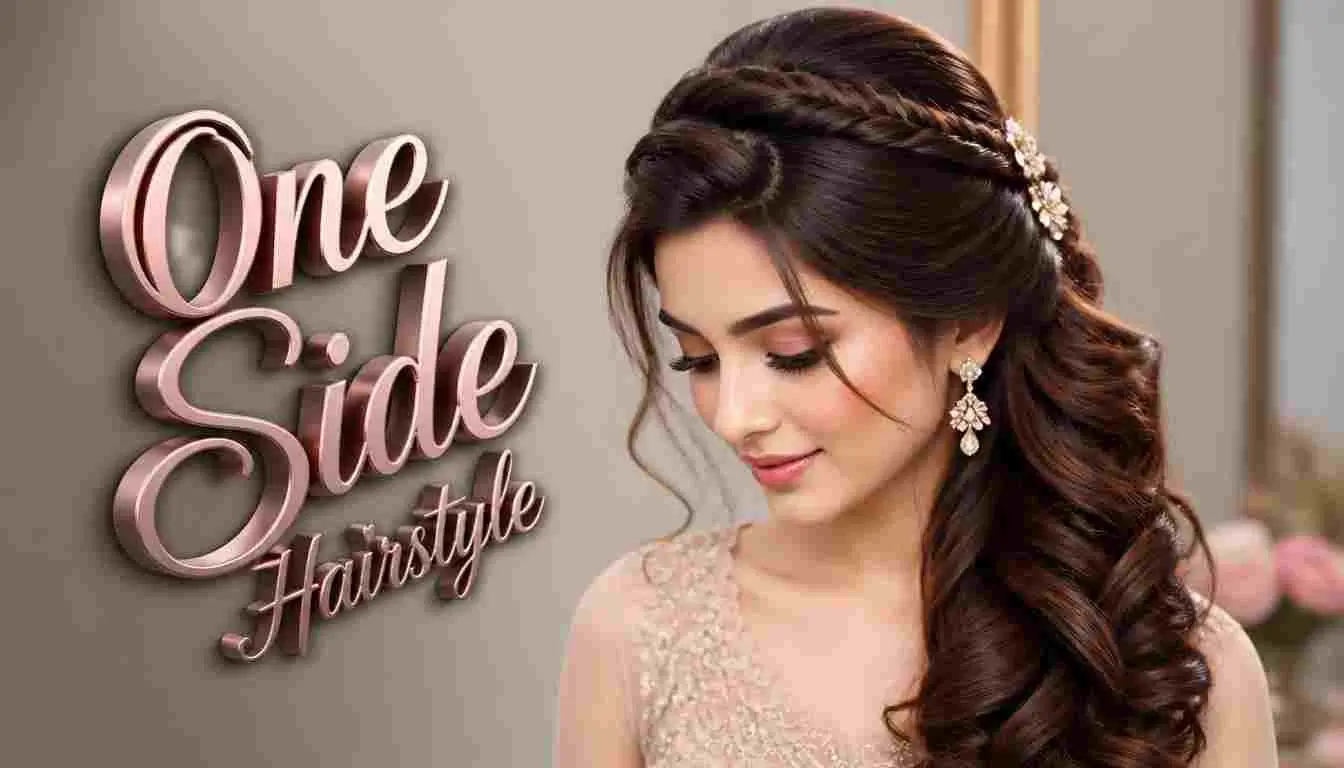
Half-up, half-down hairstyles combine the best of both worlds: the top section of hair is pulled back while the rest stays loose. They are easy to style and work beautifully for everyday looks, school, dates, parties, weddings, and other special occasions.
Half-Up, Half-Down Hairstyles
- Classic Half-Up Ponytail – Pull the top section into a simple ponytail for a clean, youthful look.
- Half-Up Bun – Twist the upper section into a small bun while leaving the rest of the hair down.
- Half-Up Braid – Add one or two braids to the top section for a cute, detailed finish.
- Half-Up with Curls – Pair the style with soft curls or waves for a romantic appearance.
- Half-Up Bow Hairstyle – Add a ribbon or bow for a playful and feminine touch.
Short Hairstyles
Short hairstyles are stylish, easy to maintain, and perfect for anyone who wants a fresh, modern look without spending a lot of time styling their hair. From classic bobs to trendy pixie cuts, there are many options for different hair textures and personal styles.
Short Hairstyles
- Classic Bob – A timeless cut that can look polished or playful.
- Blunt Bob – Features clean, straight ends for a modern appearance.
- Layered Bob – Adds movement and texture to short hair.
- Pixie Cut – A short, confident style that requires minimal daily styling.
- Textured Pixie – Choppy layers create a fun and effortless look
Hairstyles for Men
Men’s hairstyles range from classic and professional cuts to modern, textured, and relaxed styles. The best choice depends on hair type, face shape, lifestyle, and how much daily styling you prefer.
Popular Hairstyles for Men
- Classic Side Part – A timeless, polished style that works well for professional settings.
- Textured Crop – Short, textured hair on top with a neat finish on the sides.
- French Crop – A low-maintenance style with a short fringe and tapered sides.
- Buzz Cut – Very short and simple, making it easy to maintain.
- Crew Cut – A clean, sporty style with slightly more length on top.
Real-Life Styling Examples
Instead of simply saying “layers add movement,” consider how that plays out: someone with shoulder-length straight hair and a round face might ask their stylist for long face-framing layers starting at the cheekbone, then use a one-inch curling iron to add loose waves only at the ends , this keeps volume at the jaw rather than the crown, which visually elongates the face.
Someone transitioning to curly hair care might switch from a sulfate shampoo to a moisturizing, sulfate-free formula, apply a leave-in conditioner and curl cream to soaking-wet hair, then scrunch with a microfiber towel instead of rubbing with a regular towel , a small change that noticeably reduces frizz.
For a workplace setting, a low bun with a few face-framing pieces pulled loose offers a polished look that also holds up through a full workday, compared to a fully down style that may need touch-ups by afternoon.
Styling Tools and Products
- Blow dryers: A concentrator nozzle helps direct airflow for smoother results; diffusers help curly hair retain its shape while drying.
- Curling irons and wands: Barrel size determines curl tightness , smaller barrels (under one inch) create tighter curls, larger barrels (1.5 inches or more) create loose waves.
- Flat irons: Useful for both straightening and creating waves when used at an angle.
- Heat protectant spray: Recommended before using any hot tool to reduce heat damage.
- Dry shampoo: Extends time between washes by absorbing oil at the roots.
- Texturizing spray or sea salt spray: Adds grip and volume for beachy or undone looks.
Hair Care and Maintenance
Washing Routine
Hair type affects how often washing is needed. Fine or straight hair often looks best washed every one to two days, while curly and coily hair can often go three to seven days between washes since natural oils take longer to reach the ends.
Trims
Regular trims, generally every six to eight weeks for most styles, help prevent split ends from traveling up the hair shaft and keep the cut’s shape intact.
Deep Conditioning
Weekly or biweekly deep conditioning treatments help restore moisture, particularly for color-treated, curly, or heat-styled hair.
Protecting Hair from Damage
Reducing heat tool use, sleeping on a silk or satin pillowcase, and using UV-protectant products can all help preserve hair health over time.
Choosing a Hairstyle: What to Consider
| Factor | Why It Matters |
| Hair type and texture | Determines which cuts and styles will hold their intended shape |
| Face shape | Helps identify flattering proportions, though not a strict rule |
| Lifestyle and time available | Short, low-maintenance cuts suit busy routines; longer styles need more upkeep |
| Hair health | Damaged or fine hair may need gentler styles and fewer chemical treatments |
| Occasion | Everyday looks differ from special-occasion or workplace styles |
| Personal style | The final decision should reflect what makes someone feel confident |
Benefits and Limitations
Benefits of experimenting with hairstyles:
- A well-matched cut can simplify daily routines
- Certain styles can visually balance facial features
- Updated hairstyles can refresh an overall look without changing wardrobe
- Protective styles can support hair health and length retention
Limitations to consider:
- Some hairstyles require more frequent salon visits and higher long-term cost
- Certain cuts depend on consistent styling to look intentional
- Chemical treatments like relaxing or perming can affect hair health if overdone
- Not every trending style suits every hair type or texture
Common Hairstyle Mistakes
- Choosing a style based only on how it looks on someone else’s hair type
- Skipping heat protectant when regularly using hot tools
- Cutting bangs without accounting for hair texture, since curly bangs shrink more than straight ones
- Over-washing curly or coily hair, which can strip natural oils
- Ignoring regular trims, which allows split ends to worsen over time
Frequently Asked Questions
What hairstyle is best for a round face?
Styles that add height at the crown or length through layers, such as long layered cuts or side-swept pixies, tend to balance round face proportions.
How often should hairstyles be trimmed?
Most hairstyles benefit from a trim every six to eight weeks, while short cuts and bangs often need attention every three to six weeks.
What is the easiest hairstyle to maintain?
Low-maintenance options generally include blunt bobs, one-length cuts, and protective styles like braids, since they require less daily styling.
Can hairstyles help thin hair look fuller?
Yes. Blunt cuts, shorter lengths, and strategic layering can create the appearance of thicker hair, along with volumizing products applied at the roots.
What hairstyles work well for curly hair?
Layered curly cuts, curly bobs, and shapes cut specifically for curl pattern (rather than cut straight and expected to curl the same way) tend to hold up best.
How do I choose a hairstyle for a job interview?
Polished, controlled styles such as a low bun, sleek ponytail, or neatly styled shoulder-length cut are common choices for professional settings.
Do certain hairstyles suit certain ages better?
Hairstyle choice is more about hair health, texture, and personal preference than age; most styles can be adapted for any age group with the right cut and styling.
What’s the difference between a lob and a bob?
A bob typically falls around the chin or jaw, while a lob (long bob) extends to around the collarbone or shoulders.
How can I keep a hairstyle looking fresh between washes?
Dry shampoo at the roots, a light texturizing spray, and re-styling with a curling iron or flat iron on key sections can refresh a look without a full wash.
Are protective hairstyles only for curly or coily hair?
While most closely associated with curly and coily textures, protective styles like braids can benefit any hair type looking to reduce daily manipulation and heat exposure.
What hairstyle changes are easiest to try without commitment?
Clip-in bangs, temporary braiding styles, and different partings or updos let someone test a look before committing to a cut.
How do I know if a hairstyle actually suits me?
Beyond face-shape guidelines, the best test is how the style holds up with your natural texture, how much daily maintenance it needs, and whether it fits your day-to-day routine.
Conclusion
There’s no single “best” hairstyle , only the one that fits a person’s hair type, face shape, and daily routine well enough that it looks good without constant effort. Starting with an honest look at texture, maintenance tolerance, and the occasions a style needs to work for makes it much easier to land on a cut that actually holds up outside the salon chair.

Shahid Imran is the founder of InfoPrimeX, where he writes about AI tools, technology, gadgets, apps, travel, and digital trends. His mission is to provide practical, easy-to-understand information that helps readers learn smarter, explore better, and stay ahead.
Website: infoprimex.com