
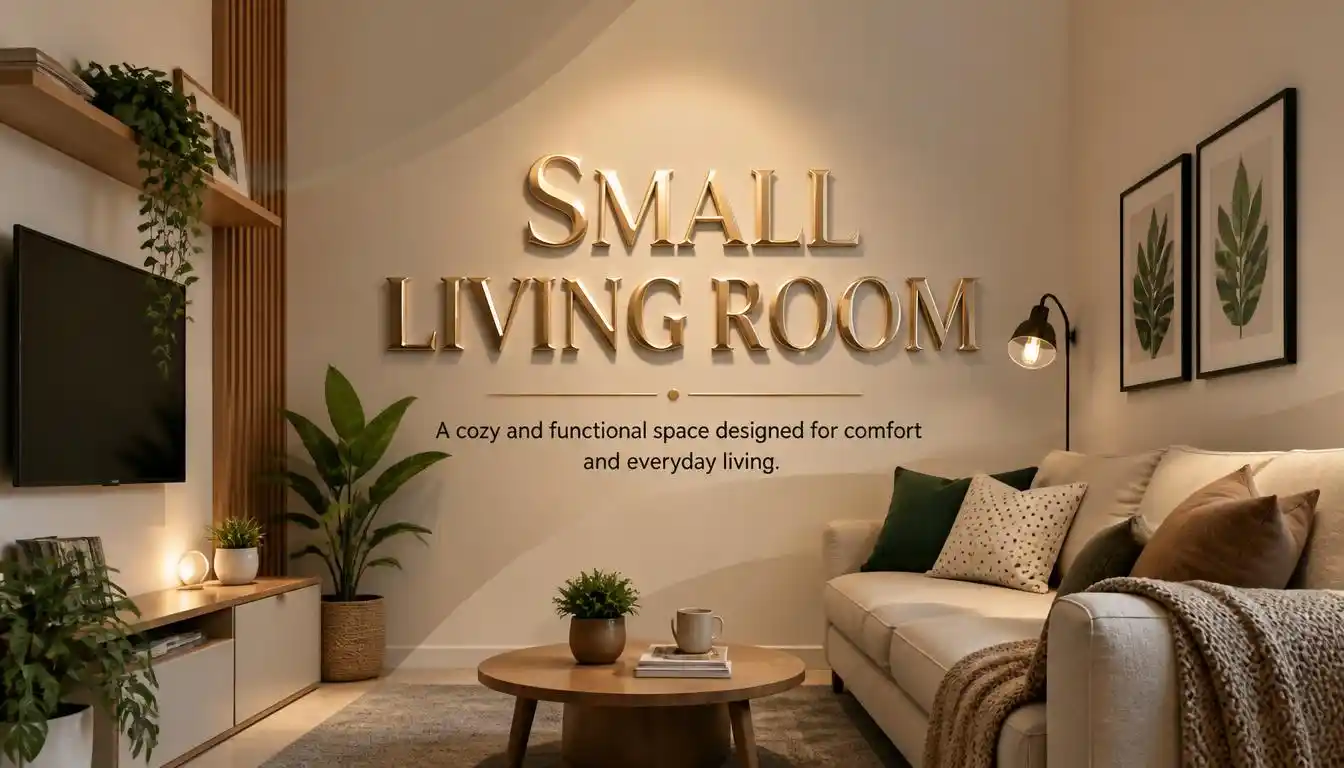
A small living room can be cozy, beautiful, and comfortable without feeling crowded. The secret is to choose furniture that fits, use light wisely, create smart storage, and leave enough open space to move around. You do not need to spend a lot of money or make big changes to improve your room.
These small living room ideas will help you create a space that looks good and works for everyday life. From choosing the right sofa to finding better storage and color combinations, there are plenty of simple ways to make the most of every corner. Whether you live in a small apartment or have a compact family living room, the right choices can make a noticeable difference.
Small Living Room Ideas for a Stylish and Spacious Look
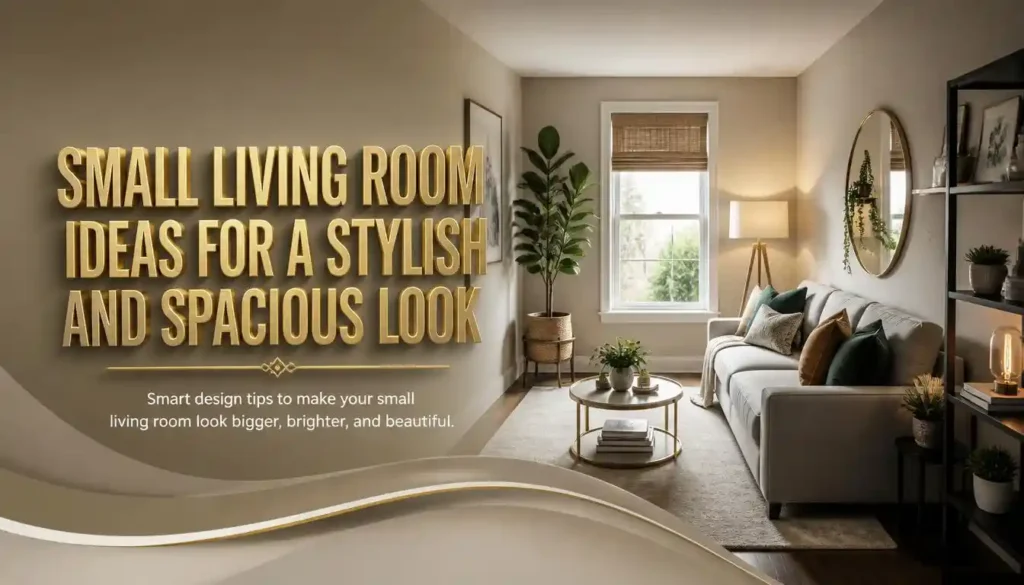
1. Choose a Compact Sofa
The sofa is often the largest piece of furniture in a living room. If it takes up too much space, the entire room can feel cramped. Choosing a compact sofa is one of the easiest ways to improve a small living room.
A loveseat or a small three-seater may provide enough seating without taking over the room. Look for slim arms, a simple shape, and raised legs that allow more of the floor to remain visible.
Before buying a sofa, measure its width and depth. Also, check that you can walk around it comfortably and open nearby doors without difficulty.
2. Use Light Colors to Make the Room Feel Bigger
Light colors can make a small living room feel brighter and more open. White, cream, pale beige, and soft gray are useful choices for walls and large furniture.
You do not have to make the entire room white. Add color through cushions, blankets, artwork, or small decorative items.
For example, cream walls with a beige sofa and light wood furniture create a calm appearance. A few green cushions or warm brown accessories can add character without making the space feel busy.
3. Arrange Furniture Around One Main Focal Point
A clear focal point helps a small living room feel organized. This could be a television, fireplace, large window, or favorite piece of artwork.
Place the sofa where it works best with that feature. Then arrange the remaining furniture around it, keeping the main walkway open.
If your television is the main focal point, a compact media unit and a simple seating arrangement may be enough. If you prefer conversation, arrange the sofa and a small chair so people can face one another comfortably.
4. Add a Mirror to Reflect Light
A mirror can make a small living room feel brighter by reflecting light and creating a greater sense of depth.
Place it near a window or opposite a source of natural light when possible. A tall mirror can draw attention upward, while a round mirror can soften a room filled with straight lines.
Think about what the mirror will reflect before hanging it. A window, attractive artwork, or a well-decorated corner can create a pleasant effect.
5. Choose Multifunctional Furniture
Furniture that serves more than one purpose is useful when space is limited. It helps you meet everyday needs without adding too many pieces.
Consider these options:
- Storage ottoman: Works as a footrest, extra seat, and storage space.
- Nesting tables: Provide extra surfaces when needed and can be tucked away afterward.
- Storage bench: Offers seating and a place to keep blankets or other items.
- Sleeper sofa: Provides a sleeping space for overnight guests.
- Lift-top coffee table: Offers a useful surface for working or eating, with storage in some designs.
Choose furniture based on your daily routine. If you rarely have overnight guests, a regular compact sofa may be more practical than a large sleeper sofa.
6. Use Vertical Wall Space
When floor space is limited, make better use of your walls. Floating shelves, tall bookcases, and wall-mounted cabinets can provide storage without filling every corner.
Use shelves for books, framed photographs, small plants, and a few favorite decorations. A narrow bookcase can be useful when you need storage but cannot fit a wide cabinet.
Avoid filling every shelf with objects. Leaving some empty space helps the room feel organized and makes your decorations easier to appreciate.
7. Choose a Round Coffee Table
A round coffee table can be a good choice for a small living room because it has no sharp corners and can be easier to move around in a tight seating area.
An oval table is another option if you need a longer surface. If the room is especially narrow, consider nesting tables or a small side table instead of a traditional coffee table.
Make sure the table is proportionate to your sofa. A large table can block movement, while one that is too small may not provide enough useful space.
8. Hang Curtains Higher
Curtains can change how the proportions of a room appear. Hanging the curtain rod closer to the ceiling and allowing the curtains to fall toward the floor can draw the eye upward.
Choose lightweight curtains in a color that works with your walls and furniture. Sheer curtains can allow daylight to enter while providing some privacy, depending on the fabric and lighting conditions.
Keep the window area as open as your privacy needs allow. Too much heavy fabric can make a small room feel darker.
9. Add Soft Textures for a Cozy Look
A small living room should feel comfortable rather than empty. Soft textures can create warmth without requiring lots of decorations.
Try combining a textured rug, linen cushions, a knitted blanket, and a wooden side table. Choose a few materials that work well together instead of mixing too many patterns.
Cream, beige, tan, and warm brown create a relaxed look. If you prefer brighter colors, introduce them through cushions or a throw blanket.
The goal is to make the room feel welcoming without filling every surface.
10. Reduce Clutter With Smart Storage
Clutter can make a small living room feel crowded. Giving everyday items a proper place makes the room easier to organize.
Use closed cabinets to store remote controls, cables, games, and other small belongings. Baskets can hold blankets or toys, while a slim console can provide a place for frequently used items.
Keep the things you use most often within easy reach. Store less frequently used belongings in another room or inside closed storage.
Open shelves are useful for displaying favorite items, but closed cabinets are often better for things you do not want on show.
11. Choose the Right Area Rug
An area rug can bring the sofa, coffee table, and chairs together to create a more organized seating area.
A rug that is too small may make the furniture look disconnected. When possible, choose a rug that allows the front legs of the main seating pieces to rest on it.
Neutral rugs work well with colorful cushions and artwork. A subtle geometric pattern can add interest without making the room feel too busy.
Measure the seating area before buying a rug, and make sure it does not create a tripping hazard near doors or walkways.
12. Try a Minimalist Decorating Style
Minimalist decor is useful when you want a small living room to feel calm and uncluttered. It focuses on simple furniture, useful objects, and a limited color palette.
Start by removing items you no longer need. Keep the furniture that serves a purpose, choose a few meaningful decorations, and leave some surfaces clear.
Minimalism does not mean your room must look plain. A favorite photograph, a beautiful lamp, or a textured cushion can add personality without filling the space.
13. Consider a Small Sectional Sofa
A compact sectional sofa can work well when you need several seats but do not have room for a full sofa-and-chair arrangement.
An L-shaped sofa placed in a corner can leave more space available for a television unit or storage. However, the best arrangement depends on the room’s shape and the position of doors and windows.
Measure both sides of the sectional before buying it. Make sure the extended section does not block the main walkway.
If the room is very narrow, a loveseat or straight sofa may offer greater flexibility.
14. Improve the Lighting
Good lighting can make a small living room feel more comfortable and useful. Relying on one ceiling light may leave corners dark and make the room feel flat.
Use a combination of lighting sources:
- Ambient lighting: Provides general light throughout the room.
- Task lighting: Helps with reading, writing, or other activities.
- Accent lighting: Highlights artwork, shelves, or decorative details.
A table lamp beside the sofa and a floor lamp in a dark corner may be enough to improve the room.
Wall-mounted lights are another option when you want to save floor space. Dimmable bulbs can also help you adjust the atmosphere for different activities.
15. Decorate With Indoor Plants
Plants bring natural color and texture into a living room. You do not need many plants to create a pleasant effect.
Place a taller plant near a window if the available light suits its needs. A small plant on a shelf or side table can add interest without taking up much floor space.
If you have very little room, consider a hanging planter or wall-mounted planter installed safely. Choose plants that suit your lighting conditions and the amount of care you can provide.
16. Create an Accent Wall
An accent wall can give a small living room more personality without requiring you to decorate every wall.
Soft green, dusty blue, warm beige, and muted terracotta can all work well with neutral furniture. You can also use wallpaper or a carefully arranged group of framed pictures.
If you rent your home, removable wallpaper may be an option, depending on your lease and wall surface.
Keep the remaining walls fairly simple, and repeat the accent color in one or two accessories to create a coordinated look.
17. Choose Modern Small Living Room Decor
Modern small living room ideas often focus on clean lines, practical furniture, and a simple color palette.
Choose a low-profile sofa, a straightforward coffee table, and a compact media unit. Add contrast with natural wood, black metal, or textured fabrics.
You do not need to replace all your furniture to create a modern appearance. Changing cushion covers, improving lighting, and removing unnecessary decorations can refresh the room.
18. Use a Slim TV Unit
A large entertainment center can take up valuable space. A shallow media unit or floating TV console may be a better choice for a compact living room.
Wall-mounting the television can free up the top of a cabinet and reduce the need for a large stand. Make sure the wall and mounting hardware can safely support the television.
If you have gaming devices, routers, or other electronics, choose a unit with enough space and suitable ventilation. Organize the cables to keep the area neat.
19. Decorate on a Budget
You can improve your living room without replacing all your furniture. Start with affordable changes that solve the biggest problems.
Here are a few simple ideas:
- Rearrange your existing furniture.
- Remove unnecessary decorations.
- Replace mismatched cushion covers.
- Add a lamp to brighten a dark corner.
- Refresh an old side table if its material is suitable for painting.
- Use baskets to organize loose belongings.
- Look for secondhand mirrors, lamps, and small tables.
Spend money on things that make the room more useful. For example, a storage ottoman may be a better purchase than a decorative table if you need extra storage and seating.
20. Make a Narrow Living Room Feel Balanced
A narrow living room can feel like a hallway if furniture blocks the natural walking route. The goal is to create a comfortable seating area without making movement difficult.
Place the sofa along a suitable long wall and choose slim tables. Avoid placing large furniture at both ends if it makes the room feel enclosed.
A rug can define the seating area, while artwork or a lamp at the far end can give the eye a destination.
If the room is very narrow, fewer furniture pieces may work better than a complete matching set.
21. Add Personal Decorations
A living room should reflect the people who use it. Personal decorations make the space feel like home rather than a furniture display.
Choose a few framed photographs, favorite books, handmade objects, or pieces of artwork. Group smaller items together instead of spreading them across every surface.
If you enjoy bold colors, use them in artwork or cushions. If you prefer a peaceful atmosphere, choose soft shades and natural materials.
The best decorations are those you enjoy seeing every day and can keep organized without much effort.
How to Arrange Furniture in a Small Living Room
The best layout depends on the room’s shape, the position of the doors, and how you plan to use the space. Before moving furniture, measure the room and decide where the main seating area should go.
| Living room shape | Suggested arrangement | Main benefit |
| Square room | Sofa facing the TV with a small chair nearby | Creates a balanced seating area |
| Narrow room | Sofa along a long wall with slim tables | Keeps the walkway open |
| Small apartment | Compact sectional with a wall-mounted TV | Combines seating and entertainment |
| Open-plan room | Sofa separating the living and dining areas | Defines separate spaces |
Leave Enough Room to Walk
A beautiful living room will not feel comfortable if you have to squeeze between furniture. Keep the main walking route open and make sure doors, drawers, and windows remain easy to access.
If space is tight, consider removing an unnecessary side table before buying a smaller sofa. Sometimes rearranging the furniture is enough to improve the room.
Measure Furniture Before Buying
Measure the room’s width and length, then check the dimensions of each furniture piece. You can mark the proposed furniture positions on the floor with painter’s tape.
This helps you see whether a sofa, coffee table, or bookcase will fit before spending money. Remember to allow room for opening cabinets, pulling out chairs, and moving around the seating area.
Best Color Combinations for a Small Living Room
The right color scheme can make a small living room feel bright, warm, calm, or dramatic. Choose colors based on the available light, your existing furniture, and the atmosphere you want.
| Color combination | Overall look | Best use |
| White and light oak | Bright and simple | Airy, modern spaces |
| Cream and beige | Warm and relaxing | Cozy living rooms |
| Sage green and ivory | Natural and calm | Nature-inspired decor |
| Pale gray and white | Clean and modern | Contemporary interiors |
| Navy and warm white | Bold and balanced | Rooms needing contrast |
| Terracotta and cream | Earthy and inviting | Warm, personal spaces |
| Soft blue and light gray | Fresh and peaceful | Cool, relaxed interiors |
You do not need to follow a strict color rule. Choose one main color for the walls or larger furniture, then add one or two supporting colors through smaller items.
Common Mistakes to Avoid in a Small Living Room
Even attractive furniture can make a room feel crowded when the layout does not work. Avoid these common decorating mistakes.
Buying Furniture Without Measuring
A sofa may look compact in a showroom but feel too large at home. Check its dimensions and consider how it will fit through doors and hallways.
Filling Every Empty Corner
An empty corner is not necessarily wasted space. Leaving some areas clear helps the room feel calmer and gives you more freedom to move around.
Using Too Many Small Decorations
Too many accessories can make shelves and tables look busy. Choose a few items that work well together and leave some space between them.
Choosing a Rug That Is Too Small
A tiny rug can make the seating area feel disconnected. Choose a size that works with your sofa and chairs without creating a tripping hazard.
Relying on One Light Source
A single overhead light may leave dark corners. Add a table lamp, floor lamp, or wall light where extra illumination is needed.
Ignoring Storage Needs
Without a place for remotes, books, chargers, and blankets, clutter can quickly return. Plan storage around the items you use most often.
Frequently Asked Questions About Small Living Room Ideas
1. How can I make a small living room look bigger?
Use appropriately sized furniture, keep walkways clear, choose a coordinated color palette, and allow natural light to enter. Mirrors and furniture with raised legs can also help create a more open appearance.
2. What furniture is best for a small living room?
Compact sofas, loveseats, nesting tables, storage ottomans, and slim media units are useful options. Choose furniture that fits the room, provides comfort, and meets your everyday needs.
3. Which colors make a small living room look brighter?
Warm white, cream, pale beige, and soft gray are useful choices, especially in rooms with limited natural light. Pale sage and light blue can also work well with neutral shades.
4. How do I decorate a small living room on a budget?
Start by rearranging existing furniture and removing unnecessary clutter. Then consider affordable changes such as new cushion covers, better lighting, secondhand furniture, or simple wall art.
5. Should I put a sectional sofa in a small living room?
A compact sectional can work well if it fits the room and does not block the main walkway. In a very narrow space, a loveseat or small straight sofa may be more practical.
6. How can I arrange a small living room with a TV?
Place the television on a suitable wall or use a compact media console. Arrange the sofa so the screen is comfortable to view, and keep cables and electronic devices organized.
7. Are dark colors suitable for small living rooms?
Yes. Dark colors can create a cozy, dramatic look when balanced with suitable lighting and lighter furnishings. Try a deep green accent wall, navy cushions, or dark wood instead of using dark colors everywhere.
8. How do I make a small living room feel cozy?
Add soft cushions, a comfortable throw, a textured rug, warm lighting, and a few personal decorations. Keep the seating arrangement inviting and avoid unnecessary furniture.
9. What type of coffee table is best for a small living room?
Round, oval, and nesting tables are useful options because they can be easier to move around or adapt to different needs. Choose a table that fits the sofa and leaves enough room to walk comfortably.
10. How can renters improve a small living room without renovations?
Use movable furniture, freestanding shelves, floor lamps, rugs, and removable wallpaper where suitable. Check your rental agreement before making permanent changes.
11. How do I add storage without making the room look crowded?
Use closed cabinets, storage ottomans, baskets, and shallow wall shelves. Keep everyday items accessible and store belongings you rarely use elsewhere.
12. What is the best layout for a very small living room?
Start with one main sofa or loveseat, choose a clear focal point, and add only the tables and storage you need. Keep a comfortable walking route open and avoid extra seating if it makes the room difficult to use.
Conclusion
The best small living room ideas focus on comfort, smart furniture choices, useful storage, and a layout that suits everyday life. Light colors, mirrors, layered lighting, and carefully chosen decorations can help a room feel brighter and more inviting.
You do not need to follow every idea or buy new furniture to see a difference. Start by measuring your space, rearranging what you already own, and identifying the biggest problem in the room. A few thoughtful changes can make your living room more functional, attractive, and comfortable.

Shahid Imran is the founder of InfoPrimeX, where he writes about AI tools, technology, gadgets, apps, travel, and digital trends. His mission is to provide practical, easy-to-understand information that helps readers learn smarter, explore better, and stay ahead.
Website: infoprimex.com