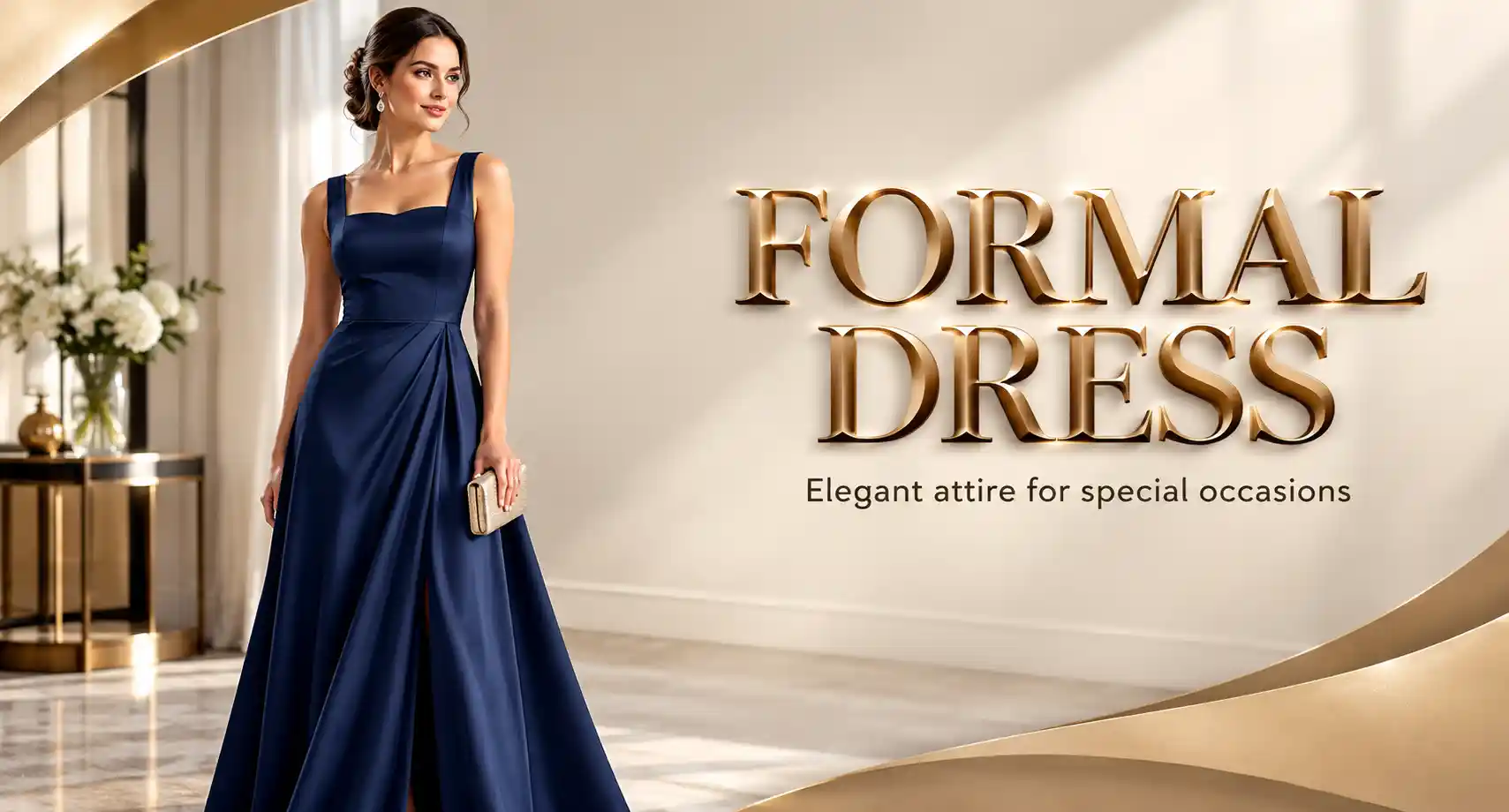
Choosing the right formal dress depends on the occasion, dress code, personal style, and comfort. Whether you are attending a wedding, graduation ceremony, gala, business event, or evening party, the right outfit can help you look polished and feel confident.
Formal dress can refer to an elegant evening gown, a sophisticated cocktail dress, or formal clothing such as a tailored suit or tuxedo. The best choice depends on how formal the event is, the season, your budget, and the style you prefer.
This guide explores different formal dress styles, colors, fabrics, outfit ideas, accessories, and practical tips to help you choose the right look for any special occasion.
What Is a Formal Dress?
A formal dress is an elegant garment worn for occasions that require a polished and sophisticated appearance. For women, it often includes evening gowns, refined midi dresses, and cocktail dresses. More broadly, formal dress can also refer to the complete outfit worn by men, including suits, dress shirts, formal trousers, and appropriate shoes.
Formal clothing is generally dressier than casual or everyday clothing. It often features refined fabrics, carefully designed silhouettes, neat finishing, and coordinated accessories.
Common characteristics of formal dress include:
- Elegant fabrics such as satin, chiffon, velvet, silk, and crepe.
- Tailored or structured designs.
- Coordinated shoes and accessories.
- A suitable fit for the occasion.
- Colors and details that complement the event’s atmosphere.
A formal outfit does not have to be expensive or heavily decorated. A simple, well-fitting dress can look elegant when styled appropriately.
Types of Formal Dress Styles
Different formal dress styles offer different levels of coverage, comfort, and sophistication. Understanding these options makes it easier to choose an outfit for your event.
Floor-Length Formal Dress
A floor-length formal dress is a classic choice for evening occasions. It is often worn to formal weddings, black-tie events, galas, and elegant celebrations.
These dresses may feature flowing skirts, fitted silhouettes, simple necklines, or decorative details. Satin, chiffon, velvet, and crepe are common fabric options.
A floor-length gown is especially suitable when the invitation specifies a highly formal dress code.
Midi Formal Dress
A midi formal dress falls between the knee and ankle. It offers a balanced look that can work for formal dinners, wedding receptions, graduation celebrations, and evening parties.
Choose a structured design or refined fabric to create a more formal appearance. A midi dress with simple jewelry and elegant shoes can look sophisticated without being overly elaborate.
Cocktail Dress
A cocktail dress is usually shorter than a traditional evening gown. It is commonly worn to cocktail parties, receptions, and other dressy social events.
Popular options include fitted black dresses, satin dresses, elegant wrap styles, and designs with subtle embellishments.
However, a cocktail dress may not meet the expectations of every formal event. If an invitation specifies black tie, check whether a shorter dress is appropriate.
Long-Sleeve Formal Dress
A long-sleeve formal dress offers additional coverage while maintaining an elegant appearance. It can be a practical choice for cooler weather, evening events, and occasions that call for modest clothing.
Popular styles include fitted long-sleeve gowns, flowing dresses, high-neck designs, and dresses with lace or chiffon sleeves.
For a balanced look, consider a simple silhouette with delicate accessories or a flowing skirt with a structured upper section.
A-Line Formal Dress
An A-line formal dress fits closer to the upper body and gradually widens toward the hem. This shape creates a classic silhouette and allows comfortable movement.
A-line dresses are available in many lengths and fabrics. Depending on their design, they can suit weddings, formal dinners, graduation events, and special celebrations.
Mermaid Formal Dress
A mermaid formal dress follows the body’s shape and flares out near the knees or lower legs. It creates a dramatic silhouette often associated with evening gowns and special-occasion fashion.
This style can be a good option for formal celebrations, but check that the dress allows you to walk, sit, and move comfortably.
Formal Jumpsuit
A formal jumpsuit is an alternative to a traditional dress. It usually features tailored trousers, a defined waist, and an elegant neckline.
A jumpsuit in crepe, satin, or another refined fabric can work for formal dinners, receptions, and some weddings. Check the event’s dress code before choosing it for a highly formal occasion.
Formal Dress Styles for Women
Formal dresses for women range from classic and understated to modern and dramatic. The most suitable style depends on the occasion, personal preferences, desired coverage, and fit.
Elegant Formal Dresses
Elegant formal dresses often feature clean lines, refined fabrics, and balanced proportions. Black, navy, burgundy, emerald green, and other rich shades can create a sophisticated appearance.
Minimalist designs are especially versatile because they can be styled differently with jewelry, shoes, and handbags.
Modest Formal Dresses
Modest formal dresses offer more coverage through high necklines, long sleeves, longer hemlines, or carefully designed layers.
Chiffon overlays, embroidered details, pleated skirts, and structured bodices can add visual interest without requiring revealing cuts.
These styles can suit formal dinners, weddings, religious celebrations, and other occasions where additional coverage is preferred.
Plus-Size Formal Dresses
The best plus-size formal dress is one that fits comfortably and reflects the wearer’s personal style. A-line dresses, wrap-inspired designs, structured bodices, and flowing skirts are all options worth considering.
Pay attention to the fit around the shoulders, bust, waist, and hips. The dress should allow you to sit, walk, and move without constant adjustment.
No single silhouette works best for everyone, so trying different cuts can help you discover what feels right.
Short Formal Dresses
Short formal dresses can be suitable for cocktail parties, receptions, and some formal celebrations. Their level of formality depends on the fabric, construction, design, and event requirements.
A refined short dress with elegant shoes and understated jewelry may be more appropriate than a casual long dress for certain occasions.
Always check the invitation before choosing a short style for a highly formal event.
Formal Dress for Men
Formal dress for men generally includes tailored suits, tuxedos, dress shirts, formal trousers, and polished footwear. The correct combination depends on the event’s dress code.
Formal Suits
A tailored suit is suitable for many formal dinners, weddings, business events, and special occasions.
Navy, charcoal, and black are versatile choices. Pair a suit with a well-fitted dress shirt, appropriate tie, and polished dress shoes when the occasion calls for them.
The jacket should sit comfortably across the shoulders, and the trousers should have a suitable length.
Tuxedos for Black-Tie Events
A tuxedo is the traditional choice for a black-tie event. It generally includes a dinner jacket with satin or grosgrain lapels, matching formal trousers, a white formal shirt, a black bow tie, and polished black shoes.
A standard business suit is not the same as a tuxedo. If an invitation specifies black tie, follow that dress code whenever possible.
Formal Shirts and Trousers
A crisp dress shirt and tailored trousers can create a polished appearance for occasions that permit less elaborate formalwear.
Choose clothing that fits properly, coordinate colors, and ensure the outfit is clean and pressed. For stricter dress codes, a complete suit or tuxedo may be necessary.
Formal Shoes for Men
Oxford shoes, polished Derby shoes, and other refined dress shoes are common choices for formal outfits.
Black leather shoes are a traditional option for black suits and tuxedos. Brown or burgundy shoes may complement certain navy and charcoal suits when appropriate for the occasion.
How to Choose a Formal Dress for Different Occasions
The event should guide your outfit choice before you decide on a particular color or design.
Formal Dress for Weddings
For a formal wedding, consider an elegant gown, a sophisticated midi dress, or a tailored suit, depending on the dress code.
Pay attention to the venue, season, and cultural expectations. Avoid assuming that every formal wedding requires a floor-length dress, and check whether the couple has requested specific colors or styles.
Formal Dress for Parties
Cocktail dresses, satin midi dresses, elegant jumpsuits, and refined evening outfits can suit many dressy parties.
For a glamorous evening party, you might choose a black dress with metallic accessories. For a daytime celebration, a lighter color and a less elaborate design may feel more appropriate.
Formal Dress for Business Events
Business formal clothing should look professional and polished. Women may choose a tailored dress, coordinated suit, or structured separates. Men may wear a business suit, dress shirt, and suitable formal shoes.
Keep accessories balanced and choose clothing that allows comfortable movement throughout the event.
Formal Dress for Graduation
Graduation celebrations often call for neat, comfortable, and polished clothing. A midi dress, simple formal gown, or tailored suit can work well, depending on the ceremony and venue.
If you will wear an academic gown, consider how your outfit fits underneath it and choose shoes suitable for walking and standing.
Formal Dress for Evening Events
Evening events often allow richer colors, refined fabrics, and more decorative details.
A floor-length gown, a sophisticated cocktail dress, or a dark tailored suit may be suitable. The invitation remains the best guide to the expected level of formality.
Formal Dress Colors and How to Choose Them
Color can influence the overall appearance of an outfit. Consider the occasion, season, personal preference, and accessories when choosing a shade.
Black Formal Dress
A black formal dress is a versatile option for evening dinners, formal parties, and many special occasions.
Pair it with silver jewelry for a cool contrast or gold accessories for a warmer look. A simple black dress can also be restyled for different events.
Navy Blue Formal Dress
Navy blue offers a polished alternative to black. It can work well for weddings, formal dinners, professional events, and evening celebrations.
Silver, pearl, gold, nude, and black accessories can complement navy, depending on the dress’s fabric and design.
Red Formal Dress
A red formal dress creates a bold visual statement. Deeper reds, such as burgundy, can look understated, while brighter shades attract more attention.
Keep accessories simple if you want the dress to remain the main focus of your outfit.
Green Formal Dress
Emerald, forest green, and deep olive can all work well for formal clothing.
Gold or silver accessories may complement richer green shades, while neutral shoes and bags create a more understated appearance.
White and Light-Colored Formal Dress
White, ivory, champagne, pale blue, and soft pink can suit many formal occasions.
If you are attending a wedding as a guest, check the couple’s preferences and local customs before wearing white or a shade that closely resembles the bridal outfit.
Semi Formal Dress
A semi formal dress is suitable for occasions that require an elegant appearance without the strict requirements of highly formal attire. It is commonly worn to wedding receptions, dinner parties, graduation celebrations, and social events.
For women, popular options include cocktail dresses, midi dresses, elegant jumpsuits, and dressy skirts with refined tops. For men, a tailored suit, dress shirt, dress trousers, and polished shoes can create an appropriate semi-formal outfit.
Styling tips for semi-formal dress:
- Choose fabrics such as satin, crepe, chiffon, or quality cotton blends.
- Wear heels, dressy flats, loafers, or formal shoes that suit the occasion.
- Keep accessories coordinated and avoid overly casual items.
- Check the invitation because semi-formal expectations can vary by event and location.
Black Formal Dress
A black formal dress is a timeless option for evening parties, formal dinners, weddings, and special occasions. Black works well with many accessories and can create an elegant appearance without requiring an elaborate design.
Women can choose a black evening gown, a fitted cocktail dress, a long-sleeve dress, or a sophisticated midi dress. Men can wear a black formal suit or a tuxedo when the event calls for black-tie attire.
Styling tips for a black formal dress:
- Pair black dresses with silver, gold, or pearl jewelry.
- Choose elegant heels or refined flats for a polished finish.
- Add a clutch bag or understated evening handbag.
- Consider satin, velvet, crepe, or lace for different textures.
- Follow the invitation’s dress code, particularly for black-tie events.
A simple black dress can work for several occasions, making it a versatile addition to a formal wardrobe.
Formal Dress for Men
Formal dress for men refers to clothing designed for occasions that require a polished, professional, or elegant appearance. Depending on the dress code, it may include a tailored suit, tuxedo, dress shirt, formal trousers, and dress shoes.
A dark navy or charcoal suit is suitable for many formal dinners, weddings, and business occasions. A tuxedo is traditionally worn for black-tie events, while white-tie occasions require an even more specific and traditional dress code.
Essential formal clothing for men:
- Suit: A well-fitted navy, charcoal, or black suit.
- Dress shirt: A clean, properly fitted shirt in white or another suitable color.
- Tie or bow tie: Choose one appropriate for the event.
- Formal trousers: Select trousers that fit properly and complement the jacket.
- Dress shoes: Oxford or Derby shoes are classic choices.
- Accessories: A belt, pocket square, cuff links, or a formal watch can complete the outfit.
The most important factors are fit, neatness, comfort, and following the event’s dress code.
Green Formal Dress
A green formal dress offers an elegant alternative to traditional black or navy outfits. Green comes in several shades, including emerald, forest green, sage, olive, and deep teal, making it suitable for different seasons and personal styles.
An emerald green evening gown can create a rich, sophisticated look for a formal dinner or wedding. A sage green midi dress may be better suited to a daytime celebration or a less traditional formal event.
Styling tips for a green formal dress:
- Pair emerald green with gold or silver accessories.
- Choose nude, black, or metallic shoes to complement the shade.
- Use simple jewelry when the dress includes embroidery or embellishments.
- Consider chiffon for a flowing appearance or satin for a smooth finish.
- Choose deeper green shades for a dramatic evening look or softer shades for a lighter appearance.
When selecting a green formal dress for a wedding, consider the venue, season, and any requested dress code.
White Formal Dress
A white formal dress creates a clean, refined appearance and can be suitable for engagement celebrations, graduation ceremonies, formal dinners, and certain evening events.
White formal dresses are available in many styles, including floor-length gowns, structured midi dresses, lace designs, and minimalist satin dresses. The right choice depends on the occasion and the level of formality required.
Styling tips for a white formal dress:
- Pair white with silver, gold, pearl, or nude accessories.
- Choose a simple silhouette for a minimalist appearance.
- Consider lace, chiffon, or satin for added texture.
- Select shoes that complement the dress without overwhelming it.
- Check the event’s expectations before wearing white to a wedding, as the couple may reserve white or ivory for the bridal outfit.
White can look elegant in both simple and detailed designs. Pay attention to fabric opacity, lining, and fit when choosing a dress.
Blue Formal Dress
A blue formal dress is a versatile choice for weddings, formal dinners, evening parties, and special celebrations. Blue ranges from pale sky blue and powder blue to royal blue, navy, and midnight blue.
Light blue dresses often create a soft appearance, while royal blue offers a brighter, more noticeable style. Navy and midnight blue are especially useful for elegant evening outfits.
Styling tips for a blue formal dress:
- Pair navy blue with silver, pearl, or gold accessories.
- Combine royal blue with neutral shoes and a simple clutch.
- Choose soft pink or nude accessories for a lighter blue dress.
- Consider satin for an evening look or chiffon for a flowing silhouette.
- Match the dress style to the occasion rather than choosing a color alone.
Blue formal dresses can suit different seasons, but fabric weight and sleeve length should be selected according to the weather and venue.
Purple Formal Dress
A purple formal dress can create a distinctive and sophisticated look. Popular shades include lavender, lilac, plum, violet, and deep royal purple.
Lavender and lilac often suit daytime celebrations and spring occasions, while plum and deeper purple shades can work well for evening events. The overall appearance also depends on the dress’s fabric, cut, and accessories.
Styling tips for a purple formal dress:
- Pair deep purple with silver or understated gold jewelry.
- Combine lavender with nude, silver, or soft neutral accessories.
- Choose a floor-length gown for occasions requiring traditional evening attire.
- Consider velvet for cooler weather or chiffon for a light, flowing style.
- Keep accessories simple if the dress has heavy embroidery or decorative details.
A purple formal dress can be a good choice when you want something different from traditional black while maintaining an elegant appearance.
Formal Dress Code
A formal dress code explains the level of clothing expected at an event. Understanding the wording on an invitation helps you choose an appropriate outfit and avoid being overdressed or underdressed.
Different events use terms such as formal, black tie, white tie, cocktail attire, and business formal. These terms have different expectations.
White-Tie Dress Code
White tie is one of the most formal traditional dress codes. Men typically wear a black tailcoat, matching formal trousers, a white bow tie, and a white waistcoat. Women traditionally wear full-length evening gowns.
Follow the host’s instructions because specific events may have additional requirements.
Black-Tie Dress Code
Black tie is commonly used for formal evening galas, upscale weddings, and formal celebrations. Men traditionally wear a tuxedo with a black bow tie, while women often wear floor-length evening gowns or other suitably formal evening attire.
A shorter dress may be acceptable at some events, but a floor-length gown is a traditional option.
Formal Dress Code
A formal dress code generally calls for elegant, polished clothing. Depending on the event, this may mean an evening gown, a sophisticated formal dress, a dark suit, or a tuxedo.
Check the invitation for additional wording that clarifies the expected level of formality.
Semi-Formal Dress Code
Semi-formal attire is dressy but usually less elaborate than black-tie clothing. Women may wear cocktail dresses or refined midi dresses, while men may choose a tailored suit or dress trousers with a jacket.
The venue, time of day, and type of event help determine the most suitable outfit.
Business Formal Dress Code
Business formal attire is professional and conservative. Women may wear tailored suits, structured dresses, or coordinated formal separates. Men typically wear a business suit, dress shirt, formal shoes, and a tie when appropriate.
Neutral colors and well-fitted clothing are common choices for professional settings.
How to Choose the Right Formal Dress Code Outfit
Before selecting your clothing, consider these points:
- Read the invitation: Look for specific wording such as black tie or cocktail attire.
- Consider the venue: A ballroom event may require a different outfit from a formal garden reception.
- Check the time: Evening events often call for more traditional formalwear.
- Consider the weather: Choose fabrics and layers that suit the season.
- Prioritize fit and comfort: Your outfit should allow you to sit, walk, and move comfortably.
The right formal outfit follows the event’s expectations while allowing you to express your personal style.
Best Fabrics for Formal Dresses
The fabric affects how a dress hangs, feels, and looks. It can also influence comfort, durability, and cleaning requirements.
Satin
Satin has a smooth surface and noticeable sheen. It is often used for evening gowns, cocktail dresses, and refined occasion wear.
Because satin can highlight creases or marks, check the fabric’s care instructions and how it looks under bright lighting.
Chiffon
Chiffon is a lightweight fabric often used for flowing dresses, sleeves, and layered skirts.
It can create a soft appearance and may be suitable for spring and summer events. However, some chiffon garments require careful handling because the fabric can be delicate.
Velvet
Velvet has a plush surface and rich texture. It can be a suitable option for fall and winter formal occasions.
Its weight and warmth may make it less comfortable for hot weather, so consider the venue and temperature.
Crepe
Crepe often has a smooth or subtly textured surface and works well for tailored dresses and minimalist formal styles.
It can provide a clean, structured appearance without the shine of satin.
Silk
Silk is valued for its soft feel and fluid drape. It can be used for elegant evening dresses and other refined garments.
Care requirements vary by garment, so check the label before cleaning.
Lace
Lace adds texture and decorative detail to formal clothing. It may be used across an entire dress or as an accent on sleeves, necklines, and overlays.
The overall effect depends on the lace pattern, lining, and garment construction.
How to Style a Formal Dress
The right accessories help bring a formal outfit together. Choose items that complement the dress instead of competing with it.
Choose the Right Shoes
Consider the dress length, venue, and amount of walking you expect to do.
- High heels: A classic option for many gowns and cocktail dresses.
- Block heels: Offer a wider base and may be more comfortable for extended wear.
- Formal flats: Provide a polished alternative to heels.
- Dressy sandals: Can complement evening dresses in warm weather.
Try your shoes with the dress before the event. This helps you check the hem length and ensure you can walk comfortably.
Select Jewelry and Accessories
Accessories should complement the dress’s neckline, color, and details.
- Pair an embellished dress with simple jewelry.
- Choose statement earrings for a minimalist gown.
- Carry a small clutch for an evening occasion.
- Consider a shawl or formal wrap for cooler temperatures.
- Coordinate metal tones when it creates a balanced appearance.
You do not need every accessory to match exactly. Complementary colors and textures can create a more natural, coordinated look.
Choose a Suitable Hairstyle and Makeup
Your hairstyle can complement the dress’s neckline and overall design. An updo may highlight statement earrings or a high neckline, while loose waves can work well with a flowing evening gown.
For makeup, choose a style that suits your preferences and the occasion. A classic lip color, defined eyes, or a natural finish can all work with formal clothing.
The goal is to feel polished while remaining comfortable with your appearance.
Formal Dress Ideas for Different Seasons
Spring Formal Dresses
Spring formal outfits can include pastel colors, floral details, lightweight fabrics, and flowing silhouettes.
For outdoor events, consider the weather and ground conditions when choosing your footwear.
Summer Formal Dresses
Lightweight fabrics, breathable linings, and comfortable silhouettes can make summer events easier to enjoy.
For outdoor weddings or garden parties, block heels or dressy flats may be more practical than narrow heels that can sink into grass.
Fall Formal Dresses
Burgundy, navy, forest green, and other deeper shades can suit fall occasions.
Velvet, crepe, and heavier satin may work well in cooler weather. A tailored coat or elegant wrap can add warmth without making the outfit look unfinished.
Winter Formal Dresses
Long sleeves, lined gowns, velvet, and thicker fabrics can provide extra warmth during winter events.
Closed-toe shoes and suitable outerwear may also help. If the event is indoors, you can still choose a sleeveless gown and wear a coat for the journey.
Formal Dress vs. Semi-Formal Dress
Formal and semi-formal clothing both look polished, but they can have different expectations.
| Feature | Formal Dress | Semi-Formal Dress |
| Overall appearance | Highly polished and occasion-focused | Dressy but generally less elaborate |
| Common styles | Evening gowns, refined cocktail dresses, formal suits | Cocktail dresses, dressy midi dresses, tailored suits |
| Fabrics | Satin, velvet, silk, crepe, and other refined materials | Similar fabrics with potentially simpler styling |
| Accessories | Often coordinated with a more formal dress code | May be simpler and more understated |
| Occasions | Formal weddings, galas, formal dinners | Receptions, parties, and less formal celebrations |
Dress length alone does not determine formality. A short dress in a refined fabric may suit a particular formal event, while a long casual sundress may not.
Always use the invitation as your primary guide.
How to Choose the Right Formal Dress
Follow these practical steps before purchasing or wearing a formal outfit.
1. Check the Dress Code
Read the invitation carefully. Black tie, formal, cocktail, and business formal have different expectations.
If the wording is unclear, ask the host or event organizer rather than guessing.
2. Choose the Right Fit
Check the shoulders, bust, waist, hem, and overall movement. The dress should fit comfortably without pulling, slipping, or restricting your steps.
Alterations can improve the fit of a garment that otherwise suits you well.
3. Consider the Fabric
Choose fabric based on the season, venue, comfort, and amount of care you are willing to provide.
For example, a lightweight flowing dress may suit a warm outdoor event, while velvet may be more comfortable for a cool evening celebration.
4. Set a Realistic Budget
Consider the total cost, including shoes, accessories, alterations, and cleaning.
If you need a highly formal gown for only one occasion, renting may be a practical alternative to buying.
5. Try the Complete Outfit
Wear your chosen shoes and accessories when trying on the dress.
Walk, sit, raise your arms, and check the hem. These simple steps help identify problems before the event.
Affordable Formal Dress Shopping Tips
An elegant formal outfit does not have to exceed your budget. Focus on fit, fabric, versatility, and the requirements of the occasion.
- Choose a versatile color: Black, navy, and other adaptable shades can work for several events.
- Prioritize fit: A well-fitting, simple dress may look more polished than an elaborate dress that fits poorly.
- Check the lining: Look for comfortable construction, suitable coverage, and fabric that hangs properly.
- Consider renting: Renting can be practical for a one-time event that requires a highly formal outfit.
- Review care instructions: Cleaning and alteration costs can affect the overall value.
- Check the return policy: When shopping online, understand the return rules before ordering.
- Use accurate measurements: Compare your measurements with the garment’s size chart instead of relying only on the size label.
Shopping carefully can help you find a dress that looks elegant, feels comfortable, and offers good value.
Common Formal Dress Mistakes to Avoid
Ignoring the Invitation
A cocktail dress may suit a reception but may not meet the requirements of a strict black-tie event. Always check the dress code before choosing an outfit.
Choosing Style Over Comfort
A dress that restricts movement or requires constant adjustment can make an event uncomfortable. Check the fit before wearing it for a long evening.
Wearing Too Many Accessories
Large earrings, a statement necklace, an embellished clutch, and decorated shoes may compete for attention.
Choose one or two focal points and keep the rest of the accessories balanced.
Choosing the Wrong Fabric for the Weather
Heavy velvet may feel uncomfortable in hot weather, while a thin, unlined dress may provide little warmth in winter.
Consider the outdoor temperature, indoor setting, and length of the event.
Leaving Alterations Until the Last Minute
Allow time for hemming, adjustments, cleaning, and a final fitting. Planning ahead gives you more options if the dress needs changes.
Frequently Asked Questions About Formal Dress
What Is Considered a Formal Dress?
A formal dress is an elegant garment intended for occasions with a dressy clothing expectation. Examples include evening gowns, sophisticated cocktail dresses, and refined midi dresses. The appropriate style depends on the event’s dress code.
Does a Formal Dress Have to Be Long?
No. Floor-length gowns are traditional for many highly formal occasions, but shorter dresses can work for some events. Check the invitation, especially if it specifies black tie.
What Is the Best Color for a Formal Dress?
Black, navy, burgundy, emerald green, and other rich or neutral shades can work well. The best color depends on the occasion, season, personal preference, and dress code.
Can I Wear a Formal Dress to a Wedding?
Yes. An elegant formal dress is suitable for many weddings when it matches the dress code. Consider the venue, season, and cultural expectations, and avoid colors the couple has reserved for specific wedding attire.
What Shoes Should I Wear With a Formal Dress?
Formal pumps, elegant sandals, block heels, and refined flats can all work. Choose footwear that complements the outfit’s formality and allows you to walk comfortably.
What Is the Difference Between Formal and Black-Tie Attire?
Formal attire can cover several levels of dressiness, depending on the event. Black tie is a more specific dress code that traditionally calls for tuxedos for men and formal evening gowns for women, with some variation based on the occasion.
Can I Wear a Short Dress to a Formal Dinner?
Yes, if the invitation and venue allow it. A refined cocktail dress in a suitable fabric may work for a formal dinner that does not require black tie. A stricter dress code may call for a traditional evening gown.
Which Fabrics Look Elegant for Formal Dresses?
Satin, silk, chiffon, velvet, crepe, and lace can all create elegant looks. The final appearance depends on fabric quality, construction, fit, and styling.
How Can I Make an Affordable Formal Dress Look Elegant?
Choose a dress that fits well, keep it clean and wrinkle-free, and pair it with polished shoes and carefully selected accessories. Good fit and neat finishing often matter more than elaborate decoration.
How Should I Care for a Formal Dress?
Check the care label before cleaning. Some dresses can be hand-washed or machine-washed on a suitable cycle, while delicate silk, embellished fabrics, and certain structured garments may require professional cleaning. Store the dress in a way that protects its shape and fabric.
Conclusion
The best formal dress combines elegance, comfort, and suitability for the occasion. Start by checking the dress code, then consider the silhouette, fabric, color, footwear, and accessories.
Whether you prefer a classic evening gown, a refined cocktail dress, a modest formal style, or a tailored outfit, thoughtful choices can help you look polished without overspending or sacrificing comfort. Choose a style that suits the event and allows you to feel confident throughout the occasion.

Shahid Imran is the founder of InfoPrimeX, where he writes about AI tools, technology, gadgets, apps, travel, and digital trends. His mission is to provide practical, easy-to-understand information that helps readers learn smarter, explore better, and stay ahead.
Website: infoprimex.com