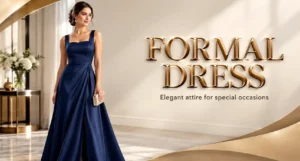
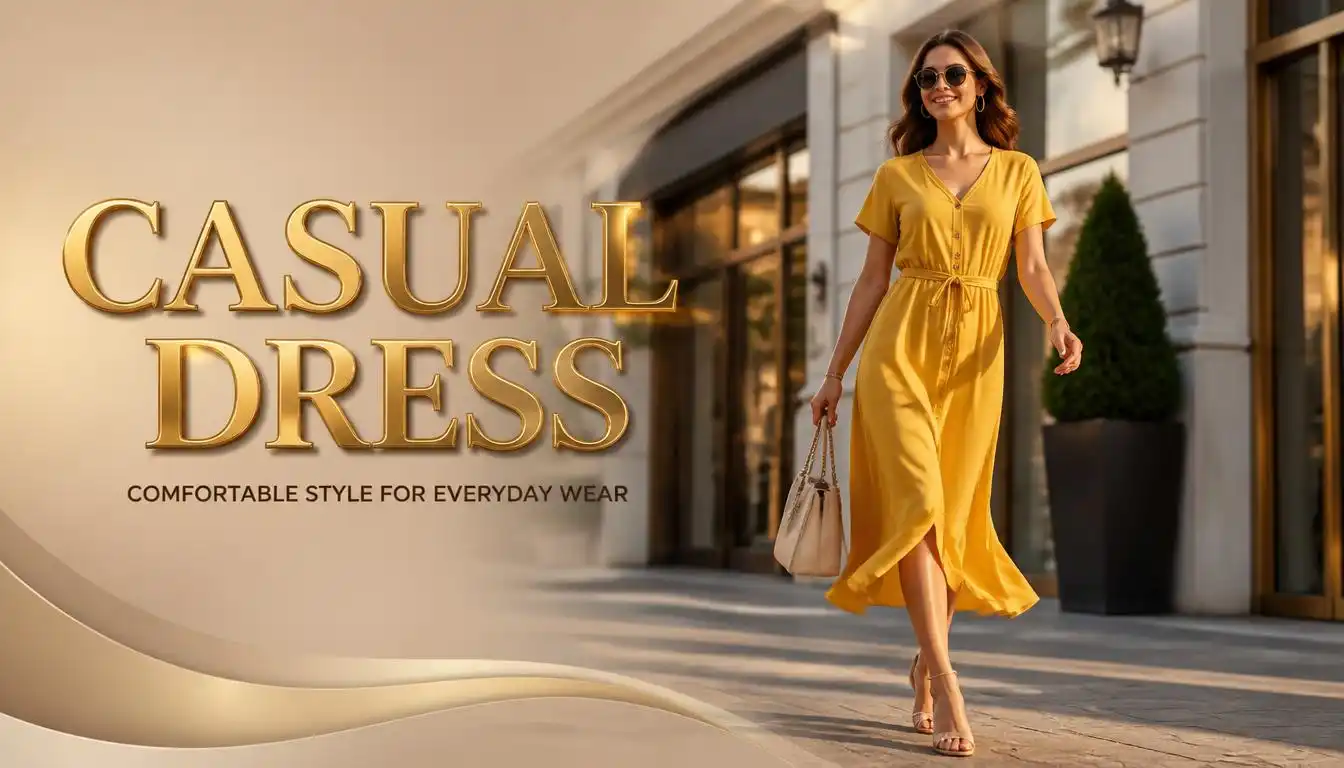
A good casual dress solves a daily problem: you want to look pulled together without spending twenty minutes building an outfit. You put it on, add shoes, and you’re done. The trick is knowing which style, fabric, and length fits your life, because a casual dress that feels wrong in the shop will feel wrong all year.
This guide explains what a casual dress is, which types are worth knowing, how to choose one, and how to style it for work, travel, and weekends.
What Is a Casual Dress?
A casual dress is a relaxed, comfortable dress made for everyday wear rather than formal events. It usually has an easy shape, soft or breathable fabric, and little embellishment. You can wear it to run errands, meet friends, travel, or go to a relaxed office.
Quick ways to spot one:
- Comfortable fabric such as cotton, linen, or jersey
- Simple cut with minimal detailing
- Easy to wear with flat shoes or sneakers
- Works without special occasion styling
The line between casual and dressy is not fixed. Fabric, fit, and accessories can move the same dress in either direction, which is covered below.
Smart Casual Dress Code
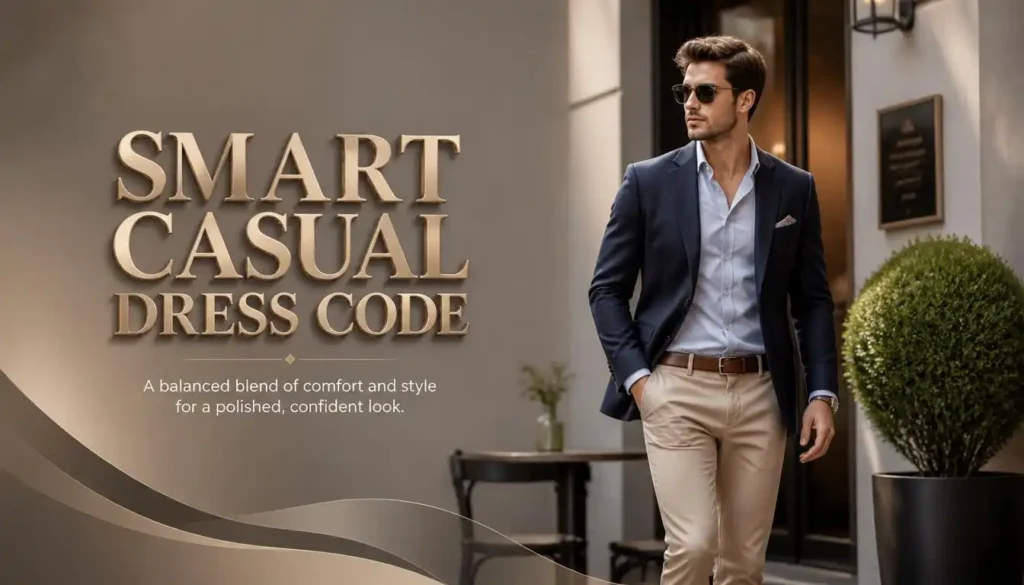
The smart casual dress code combines the neat, polished appearance of formal clothing with the comfort of casual wear. It is more refined than everyday clothing but less formal than a business suit. This style works well for dinner dates, office gatherings, parties, networking events, and semi-formal occasions.
For men, smart casual outfits may include chinos, tailored trousers, a button-down shirt, a polo shirt, a blazer, or clean leather shoes. Women can wear tailored pants, blouses, midi dresses, skirts, elegant flats, loafers, or low heels.
Examples of smart casual outfits:
- Men: Navy chinos, a white button-down shirt, and brown loafers.
- Women: Tailored trousers, a stylish blouse, and pointed-toe flats.
- For both: Clean, well-fitted clothing with coordinated colors and minimal accessories.
The main rule is to look polished without appearing overdressed.
Casual Dress Code
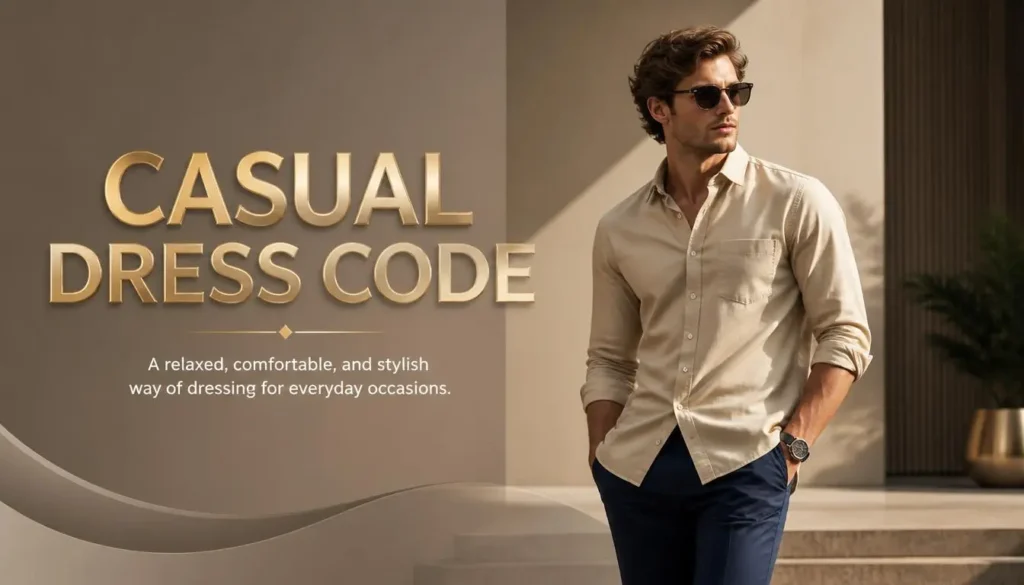
The casual dress code focuses on comfort, simplicity, and personal style. It allows relaxed clothing that is suitable for everyday activities, shopping, informal gatherings, travel, and meeting friends.
Common casual clothing includes jeans, T-shirts, sweaters, casual shirts, comfortable trousers, skirts, sneakers, and flat shoes. The exact level of casualness depends on the setting, as some workplaces and events may require a more polished appearance.
Examples of casual outfits:
- Men: Straight-leg jeans, a plain T-shirt, and clean sneakers.
- Women: Jeans, a comfortable top, and ballet flats.
- For both: A casual shirt, comfortable trousers, and simple everyday footwear.
Casual clothing should still be clean, comfortable, and appropriate for the occasion.
Men’s Casual Dress Shoes
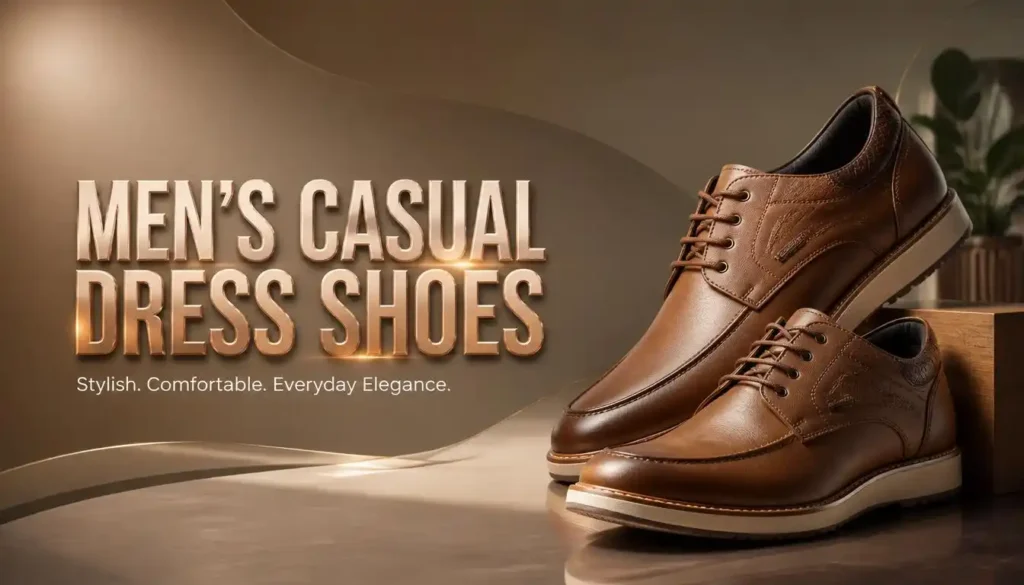
Men’s casual dress shoes provide a balance between comfort and a polished appearance. They are generally less formal than traditional black Oxford shoes but more refined than athletic sneakers. These shoes are suitable for casual offices, dinners, social events, and smart everyday outfits.
Popular styles include:
- Loafers: Slip-on shoes that pair well with chinos, jeans, and tailored trousers.
- Derby shoes: Lace-up shoes that work with casual shirts, chinos, and some jeans.
- Suede shoes: Soft-textured footwear that adds a relaxed yet sophisticated touch.
- Brogues: Decorative leather shoes that complement smart casual outfits.
- Leather sneakers: Minimal, clean sneakers that suit modern casual and smart casual clothing.
- Chukka boots: Ankle-high boots that look good with denim, chinos, and casual jackets.
Brown, tan, navy, and black are versatile color choices. Choose shoes that complement your trousers and suit the formality of the occasion.
Smart Casual Dress Code for Women
The smart casual dress code for women combines stylish, comfortable pieces with a neat and sophisticated finish. It allows women to express their personal style while maintaining an appropriate appearance for social gatherings, dinners, modern workplaces, and daytime events.
Suitable clothing includes tailored trousers, dark jeans, blouses, knit tops, midi skirts, shirt dresses, blazers, and understated accessories. Footwear can include loafers, ballet flats, ankle boots, elegant sandals, or low heels.
Smart casual outfit ideas for women:
- Tailored black trousers with a cream blouse and loafers.
- Dark straight-leg jeans with a blazer and ankle boots.
- A midi dress with simple jewelry and elegant flats.
- A knee-length skirt with a fitted knit top and low heels.
Avoid overly distressed jeans, worn-out sneakers, or clothing that looks too relaxed for the particular event. Smart casual does not necessarily mean wearing heels or formal dresses; the goal is to look coordinated, confident, and comfortable.
Business Casual Dress
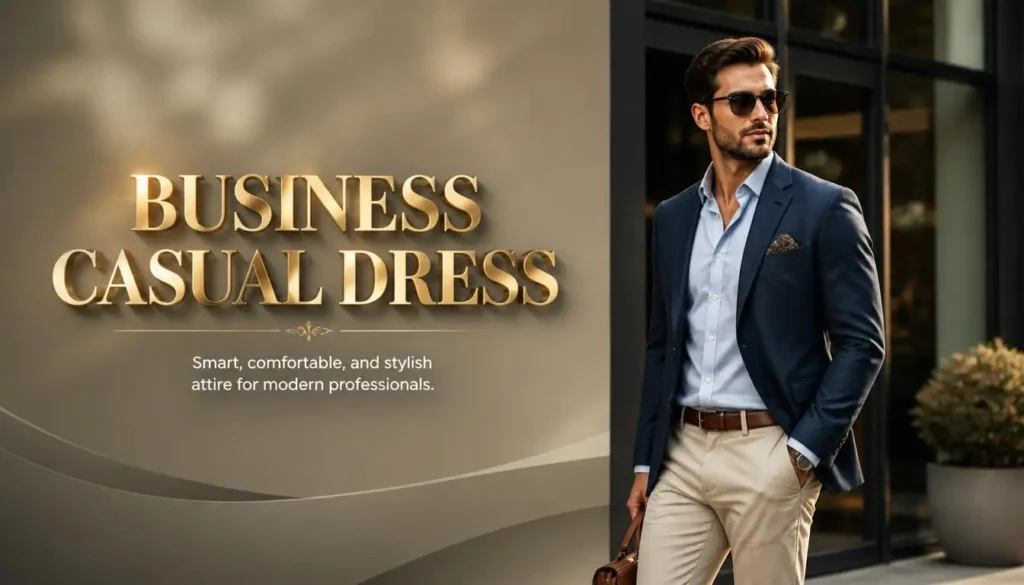
Business casual dress refers to clothing that looks professional without requiring a full formal suit. It is commonly worn in modern offices, business meetings, presentations, and professional environments where traditional business attire is not mandatory.
For men, business casual clothing often includes dress trousers or chinos, collared shirts, knitwear, loafers, and leather dress shoes. A blazer can make the outfit more professional.
For women, suitable choices include tailored trousers, blouses, modest dresses, pencil or A-line skirts, cardigans, blazers, and professional flats or heels.
Examples of business casual outfits:
- Men: Gray dress trousers, a light-blue shirt, and brown Derby shoes.
- Women: Black tailored trousers, a neutral blouse, and loafers.
- For both: A well-fitted blazer paired with coordinated separates.
Business casual is generally more conservative than everyday casual wear. However, individual workplaces may have different rules, so it is helpful to check the employer’s dress policy.
Business Casual Dress Code
The business casual dress code establishes how employees should dress in a professional setting without wearing traditional formal business attire every day. It emphasizes neatness, appropriate fit, modesty, and a professional appearance.
Typical business casual requirements include:
- Tops: Collared shirts, blouses, knit tops, and professional sweaters.
- Bottoms: Tailored trousers, chinos, suitable skirts, and professional dresses.
- Footwear: Loafers, dress shoes, flats, ankle boots, or understated heels.
- Layers: Blazers, cardigans, and lightweight jackets.
- Accessories: Belts, watches, simple jewelry, and professional bags.
Jeans may be acceptable in some offices but prohibited in others. Likewise, sneakers can be permitted in modern workplaces but may not meet the standards of more traditional employers.
The important distinction is that business casual clothing should look suitable for a professional environment rather than a weekend outing.
Casual Dress Shoes
Casual dress shoes are versatile shoes that combine the relaxed feel of everyday footwear with a more refined design. They can be worn with jeans, chinos, casual trousers, and selected dresses or skirts, depending on the style.
Common types include loafers, moccasins, suede Derby shoes, ballet flats, casual ankle boots, and minimalist leather sneakers.
When choosing casual dress shoes, consider comfort, material, color, and the clothes you plan to wear them with. Leather and suede often create a more polished appearance, while canvas and simple textile designs tend to look more relaxed.
For example, brown loafers pair well with beige chinos, while clean white leather sneakers complement dark jeans and a casual shirt. For women, ballet flats or ankle boots can add a polished finish to jeans or everyday dresses.
The best casual dress shoes are comfortable enough for regular wear while remaining appropriate for the occasion.
Casual Dress Shoes for Men
Casual dress shoes for men are designed for everyday versatility, combining comfort with a neat appearance. They are useful for informal workplaces, dinners, travel, weekend events, and occasions that do not require formal footwear.
Popular options include:
- Brown loafers: Easy to wear with chinos, jeans, and smart casual trousers.
- Suede Derby shoes: A relaxed alternative to traditional leather dress shoes.
- Leather sneakers: Ideal for clean, modern outfits and casual offices that permit sneakers.
- Chukka boots: A versatile option for cooler weather and casual evenings.
- Moccasins: Comfortable footwear for relaxed outfits and informal occasions.
- Casual brogues: Decorative shoes that add character to chinos and tailored jeans.
For maximum versatility, consider brown or tan leather shoes, dark suede loafers, or minimalist white leather sneakers. Match the shoe style to the occasion: sneakers are usually more casual, while leather loafers and Derby shoes can create a more refined look.
A simple outfit such as dark jeans, a fitted polo shirt, and brown loafers is a practical example of casual style with a polished finish.
Types of Casual Dresses
Which Casual Dress Styles Are Most Useful?
Most wardrobes only need a few. Here is how the main styles compare.
| Style | Look and Feel | Best For | Notes |
| T-shirt dress | Soft, jersey, relaxed | Errands, travel, layering | Easiest to wear with sneakers |
| Shirt dress | Collar, buttons, structured | Work, brunch | Belt it for shape |
| Sundress | Light, often sleeveless | Hot weather, vacations | Add a cardigan for cooler evenings |
| Wrap dress | Defined waist, flattering drape | Dinners, office | Adjusts to fit |
| Midi dress | Mid-calf length | Almost anything | Works with boots or sandals |
| Maxi dress | Full length, flowing | Summer, beach, travel | Watch hem length with shoes |
| Denim dress | Sturdy, casual | Cool weather, weekends | Pairs well with boots |
T-Shirt and Jersey Dresses
These are the simplest option. Jersey stretches, so it moves with you and rarely needs ironing. Choose a thicker knit if you want it to look polished rather than like a long sleep shirt.
Shirt Dresses
A shirt dress sits between casual and smart casual. The collar and structure make it look intentional even with sneakers. It’s a strong choice if you want one dress that works at the office and on the weekend.
Sundresses and Maxi Dresses
These suit heat and travel. Lightweight cotton or linen blends keep you cool, but they wrinkle easily, so accept some creasing or pick a blend with a little stretch.
How to Choose a Casual Dress
What Fabric Is Best?
Fabric matters more than most buyers expect, because it affects comfort, wrinkling, and how the dress hangs.
- Cotton: Breathable and easy to care for. A reliable all-year choice.
- Linen: Very cool in heat, but wrinkles quickly. Looks relaxed by design.
- Jersey or knit: Stretchy and travel-friendly. Check thickness so it doesn’t cling.
- Rayon or viscose blends: Drape nicely and feel soft, but can shrink or wear out if washed carelessly. Check the care label.
- Denim or chambray: Durable and structured, with less drape.
How Should a Casual Dress Fit?
Check these points in a fitting room or at home:
- Can you raise your arms and sit down comfortably?
- Does the fabric lie flat without pulling across the bust or hips?
- Does the hem sit where you want it when you walk, not just when you stand?
- Is it opaque enough to wear without a slip in daylight?
Which Length Works Best?
Length changes how a dress works. Mini lengths feel youthful and summery. Midi lengths are the most versatile across seasons. Maxi lengths give coverage and a flowing look but need the right shoes so the hem doesn’t drag. If you are petite, a hem that ends near the knee or just below often balances proportions. If you are tall, you have the most freedom with midi and maxi.
Quick Decision Checklist
Ask yourself before buying:
- Will I wear it at least five times? (Think about the occasions.)
- Does it work with shoes and jackets I already own?
- Can I wash it easily?
- Does it feel good when I move, not just in the mirror?
How to Style a Casual Dress
What Shoes Go With a Casual Dress?
- White or neutral sneakers: The easiest everyday pairing.
- Flat sandals: Warm weather, travel, and relaxed outings.
- Ankle boots: Good with midi and denim dresses in cooler months.
- Loafers or ballet flats: Smart casual and office settings.
- Block-heel sandals: A simple step up for dinners.
How to Layer a Casual Dress
Layers extend a dress across seasons.
- Spring and fall: Denim jacket, cardigan, or light trench.
- Winter: Add tights, a knit sweater over the top, and boots.
- Cool evenings: A shawl or lightweight blazer.
How to Dress a Casual Dress Up or Down
Use this simple formula.
To dress down: sneakers, a canvas tote or crossbody bag, a denim jacket, minimal jewelry.
To dress up: a belt, structured bag, block heels or sleek flats, a blazer, and a few polished accessories like earrings or a watch.
The same dress can serve both, which is why choosing a plain, well-fitting one often beats buying several statement pieces.
Casual Dress Ideas by Occasion
Can You Wear a Casual Dress to Work?
In many relaxed or business-casual offices, yes. A shirt dress, wrap dress, or knit midi with a blazer or cardigan usually looks appropriate. Avoid very short hems, deep necklines, or overly clingy fabrics. Check your company’s dress code first.
Casual Dresses for Travel
Prioritize comfort and easy care. Jersey or wrinkle-resistant blends pack well, and a midi length lets you walk, sit, and climb stairs comfortably. Pair with sneakers and a light layer.
Casual Dresses for Summer and Winter
In summer, choose breathable cotton or linen in lighter colors. In winter, choose heavier knits or denim and layer with tights, boots, and a coat.
Casual Dresses for Weddings and Events
A casual dress is generally not appropriate for a formal wedding. For relaxed outdoor or daytime events, a more polished style in better fabric with the dress-up approach above can work. Always check the invitation’s dress code.
Common Mistakes to Avoid
- Buying only for looks: If it itches, clings, or restricts movement, you won’t wear it.
- Ignoring fabric care: A beautiful viscose dress that shrinks in the wash is a poor buy.
- Wrong length for your shoes: Maxi hems that drag or midi hems that cut your proportions awkwardly.
- Skipping the sit test: Many dresses fit while standing and fail when seated.
- Over-accessorizing: Casual works best with one or two focal points.
- Wearing the wrong undergarments: Light colors and thin fabrics may need a slip or seamless pieces.
Frequently Asked Questions
What is the difference between a casual dress and a formal dress?
A casual dress is relaxed, made from everyday fabrics, and suited to daily wear. A formal dress is more structured or elaborate, often in fabrics like satin or chiffon, and meant for events with a dress code.
What is the best casual dress for beginners?
A midi-length cotton or jersey dress in a solid color. It is comfortable, versatile, and easy to style with shoes you already own.
What color casual dress is most versatile?
Neutrals such as navy, black, white, beige, and olive pair with most shoes and layers. Add color through accessories or a jacket.
What shoes should I wear with a casual dress?
Sneakers, flat sandals, ankle boots, loafers, or ballet flats all work. Choose based on the dress length and weather.
Can I wear a casual dress in winter?
Yes. Choose heavier fabrics like knits or denim, and add tights, boots, and a coat.
Are casual dresses appropriate for the office?
Often, if your workplace is business casual and the dress is modest in length and fit. Add a blazer or cardigan for a more professional look.
How do I stop a casual dress from looking too plain?
Add a belt, a layered necklace, a structured bag, or a jacket. Small details change the look without making it formal.
How do I choose a casual dress for my body type?
Focus on comfort and proportion rather than rules. A defined waist (wrap or belted styles) highlights the middle, while relaxed shapes like T-shirt and shift dresses offer ease. Try on a few cuts to see what feels best.
Which fabric is best for hot weather?
Linen and lightweight cotton are breathable and cool. Look for loose fits and light colors.
How do I care for a casual dress?
Follow the care label. Wash delicate fabrics gently, avoid high dryer heat for blends that may shrink, and hang or fold according to the fabric.
Conclusion
The best casual dress is the one you will actually reach for: comfortable fabric, a fit that works when you move, and a style that matches how you live. Start with one versatile piece, such as a midi shirt dress or jersey dress, then style it up or down with shoes, layers, and accessories. Once you understand fabric, length, and fit, choosing and wearing a casual dress gets much easier.

Shahid Imran is the founder of InfoPrimeX, where he writes about AI tools, technology, gadgets, apps, travel, and digital trends. His mission is to provide practical, easy-to-understand information that helps readers learn smarter, explore better, and stay ahead.
Website: infoprimex.com