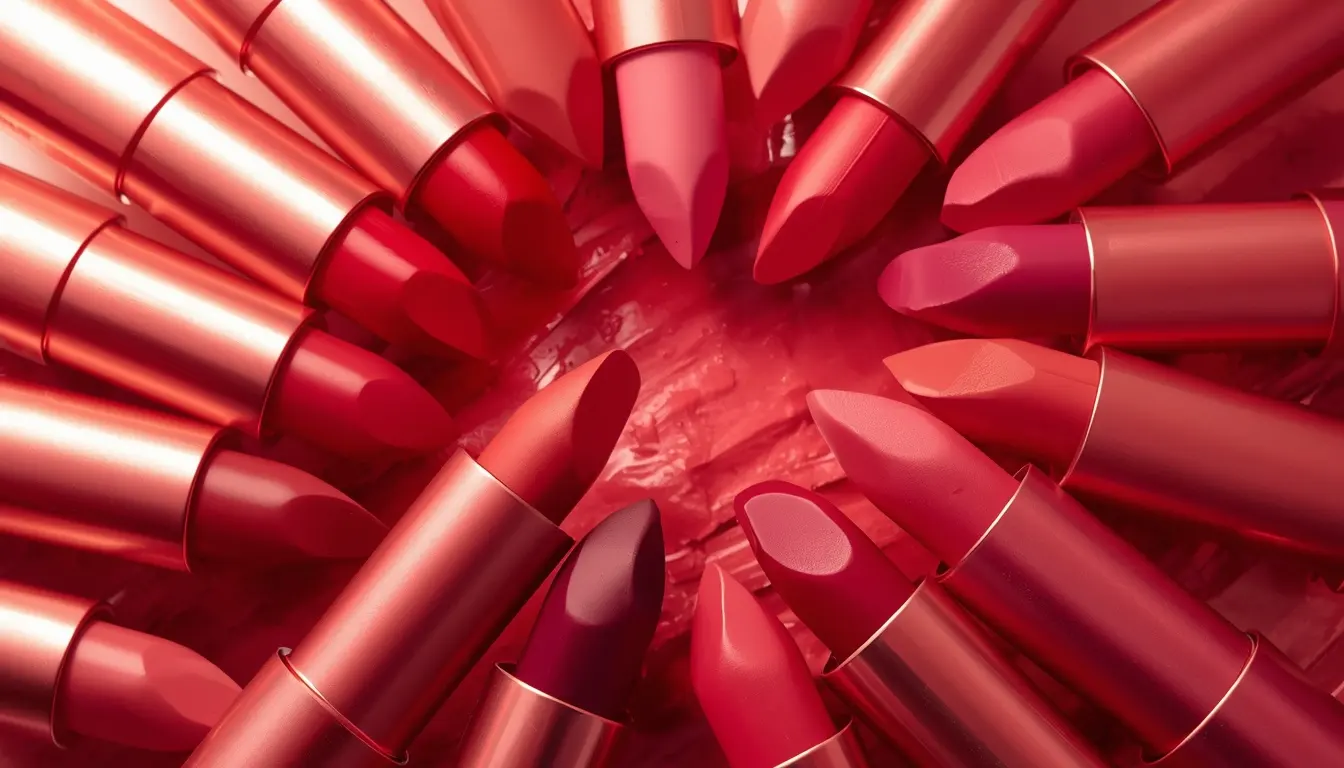
Lipstick is one of the few beauty products that can change your entire look in ten seconds. A single swipe can make a plain outfit feel finished, turn a tired face polished, or shift a daytime look into an evening one. But with so many finishes, formulas, and shade families on shelves, picking the right lipstick is more complicated than it looks.
This guide simplifies lipstick use. It covers important topics: formula types, matching shades to your skin tone, finishes for different occasions, and tips for application and longevity. Whether you’re starting your first lipstick collection or fixing a shade that doesn’t look right, you’ll find useful answers here.
What Lipstick Actually Is
Lipstick is a cosmetic applied to the lips to add color, texture, and sometimes shine or hydration. Most formulas combine waxes (for structure), oils or emollients (for glide and comfort), pigments (for color), and sometimes moisturizing or plumping ingredients. The ratio of these ingredients is what separates a matte bullet from a glossy one, or a long-wear formula from a comfortable, creamy one.
Types of Lipstick Formulas
Not all lipsticks behave the same way on the lips. Knowing the formula type helps you predict how it will wear through the day.
Matte lipstick
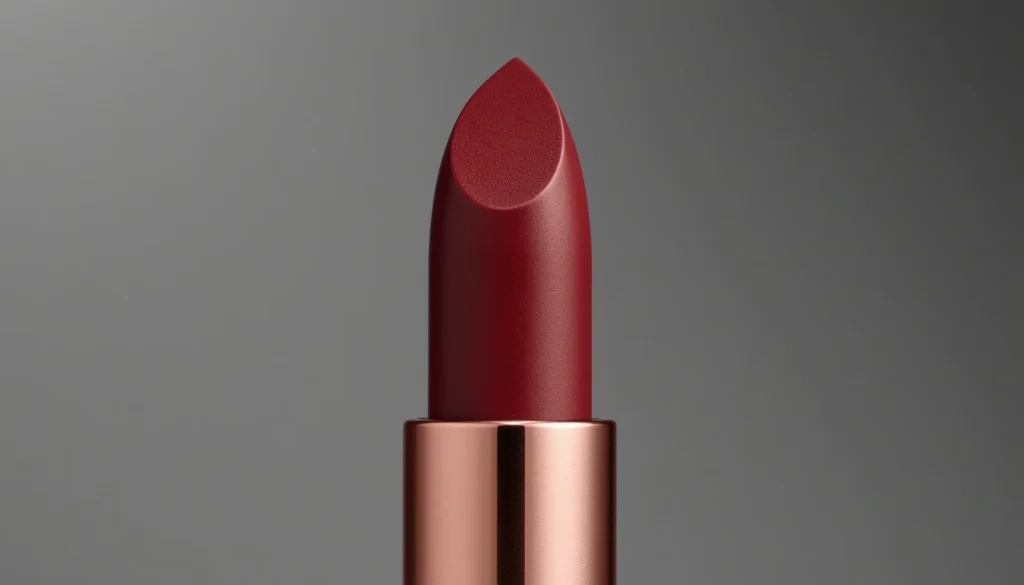
Matte lipsticks have little to no shine and tend to have the most intense, long-lasting color payoff. They can feel drying on the lips, so exfoliating and moisturizing beforehand makes a noticeable difference in how comfortable they feel.
Satin and Cream Lipstick
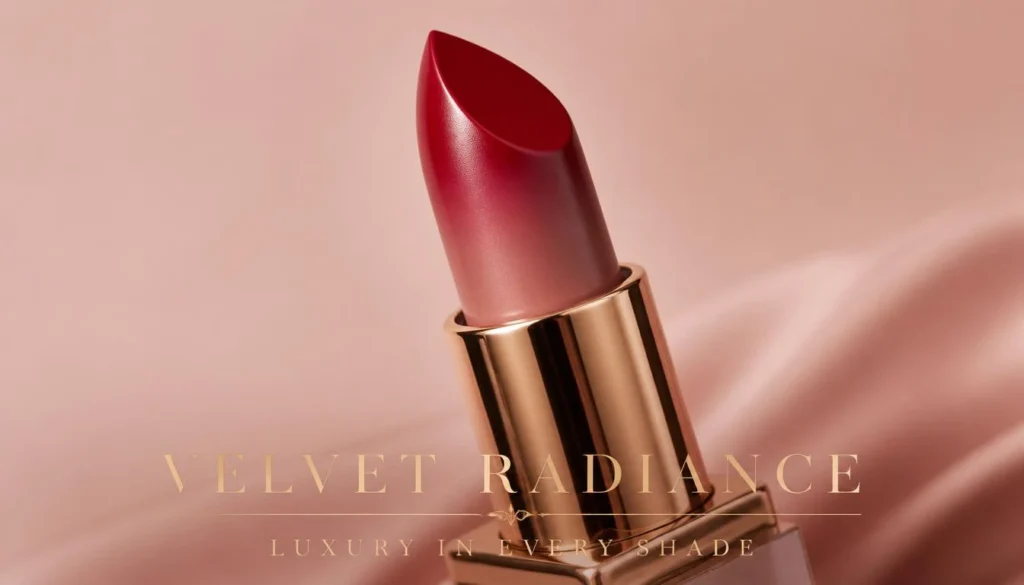
These sit between matte and glossy. They give solid color coverage with a soft sheen and generally feel more comfortable than mattes, making them a good everyday choice.
Sheer or Tinted Lipstick
Sheer lipsticks deliver a light wash of color that adapts slightly to your natural lip tone. They’re low-commitment and easy to wear for anyone who doesn’t want a bold, opaque finish.
Gloss and Lip Lacquer
These prioritize shine over color intensity. Some are tinted, some are clear, and many are used layered over another lipstick to add dimension.
Liquid Lipstick
Liquid formulas are applied with a wand and dry down to either a matte or satin finish. They tend to have strong staying power but can be harder to reapply evenly once set.
Balm-Based and Tinted Lip Balm
These combine light color with skincare benefits like hydration or SPF. They’re a practical option for anyone who wants color without a heavy, “made-up” feel.
Guerlain Lipstick
Guerlain lipstick is a luxury makeup choice known for its elegant packaging, rich colors, creamy textures, and sophisticated finish. The iconic Rouge G collection is especially popular, offering a range of shades from soft nudes and pinks to bold reds and deep berry tones.
Why Choose Guerlain Lipstick?
- 💄 Luxury formula: Smooth and comfortable on the lips.
- ✨ Elegant packaging: Designed with a premium, glamorous look.
- 🎨 Wide shade range: Includes nude, pink, red, coral, and berry shades.
- 💋 Rich pigmentation: Many shades provide strong, buildable color.
- 🌹 Sophisticated finish: Available in different finishes to suit various makeup styles.
Popular Guerlain Lipstick Ideas
- Guerlain Rouge G Lipstick
- Guerlain Rouge G Satin Lipstick
- Guerlain Rouge G Velvet Lipstick
- Guerlain Rouge G Sheer Shine Lipstick
- Guerlain nude lipstick
Lipstick Alley
Lipstick Alley is an online community where users discuss many topics. These include beauty, makeup, celebrities, fashion, relationships, entertainment, and current events. The name suggests a focus on beauty and pop culture, but the discussions go far beyond just lipstick or cosmetics.
The lipstick plant
The lipstick plant is a popular tropical houseplant known for its colorful, tubular flowers that emerge from dark, lipstick-like buds. Its botanical name is Aeschynanthus, and it looks especially attractive when grown in a hanging basket because its stems naturally trail downward.
Lipstick Plant Care
- ☀️ Light: Bright, indirect sunlight.
- 💧 Water: Water when the top layer of soil feels slightly dry; avoid soggy soil.
- 🌡️ Temperature: Prefers warm, humid conditions.
- 🌿 Soil: Use a well-draining potting mix.
- 🌸 Flowers: Good light and proper care can encourage regular blooming.
Dior Lipstick
Dior lipstick is a luxury makeup option known for its elegant packaging, rich pigmentation, and range of sophisticated shades. One of Dior’s signature collections is Rouge Dior, which currently offers a broad selection of shades and couture finishes.
Popular Dior Lipstick Collections
- Rouge Dior — available in velvet, satin, and veil finishes, with a long-wear formula and refillable packaging.
- Dior — known for its shiny, glossy-looking finish and customizable couture cases.
- Rouge Dior On Stage — designed for long wear, including matte and shine options.
Popular Dior Lipstick Shades
- 999 Red — iconic classic red
- 080 Red Smile — vibrant red
- 222 Confident Nude — elegant nude
- 500 Nude Soul — soft nude
- 505 Sensual — sophisticated deeper shade
ColourPop Bumble Ultra Matte Lip
Colour Pop Bumble Ultra Matte Lip is a liquid lipstick in a warm rose shade with a bold matte finish. describes the current formula as highly pigmented, lightweight, long-lasting, and comfortable, with full color in a single swipe.
Key Features
- 💄 Shade: Bumble – warm rose
- ✨ Finish: Ultra-matte
- 🎨 Coverage: Full and highly pigmented
- 💋 Formula: Lightweight and flexible
- 🌱 Vegan and cruelty-free
- ⏳ Wear: Designed for long-lasting color
Maybelline Serum Lipstick
Maybelline Serum Lipstick combines the look of lipstick with a serum-inspired feel, making it a good option for anyone who wants rich lip color with a comfortable finish. serum currently lists its Serum Lipstick range with 16 shades.
Key Features
- 💄 16 shades to choose from
- 💋 Smooth, comfortable lip color
- ✨ Serum-inspired lipstick formula
- 🎨 Available in wearable everyday shades and bolder colors
How to Choose a Lipstick Shade
Choosing a shade is less about trends and more about undertone, occasion, and how opaque you want the color to be.
Match It to Your Undertone
- Cool undertones (pink or blue undercast to the skin) tend to suit blue-based reds, berry shades, and cool pinks.
- Warm undertones (golden or yellow undercast) generally work well with orange-based reds, coral, warm browns, and peachy pinks.
- Neutral undertones can usually wear both warm and cool shades comfortably.
To find your undertone, check the veins on your wrist in natural light. If they look blue-purple, you likely have a cool undertone. Greenish veins mean you have a warm undertone. A mix of both suggests a neutral undertone.
Match It to the Occasion
- Everyday wear: nudes, soft pinks, and tinted balms that don’t require touch-ups
- Office or work settings: mid-tone pinks, mauves, and muted reds that read polished without being too bold
- Evening or events: classic reds, deep berries, or high-shine finishes
- Weddings and formal occasions: long-wear formulas in a shade that photographs well, since flash photography can wash out very sheer or frosted lipsticks
Consider Lip Size and Shape
Darker, matte shades can visually make lips look smaller because they absorb light. Lighter, glossy shades reflect light and can make lips appear fuller. Both effects aren’t dramatic, but they matter when picking between two similar shades.
Current Lipstick Trends
Lip trends change faster than other makeup styles. Recently, the focus has shifted from precise, opaque lips to a softer, lived-in look. Makeup artists on runways and red carpets now prefer blurred, “stained” lip finishes. The lipstick edges are diffused, not sharply lined. They often use berry, wine, and mulberry shades instead of classic red. Meanwhile, bold, pigmented lip colors are making a comeback as a statement, paired with simpler, natural skin.
That said, trends are a starting point, not a rulebook. A shade that photographs beautifully on a red carpet may not suit your skin tone or your daily routine, and a “trending” finish is only worth adopting if it fits how you actually want your lips to look and feel.
How to Apply Lipstick So It Lasts
- Prep the lips. Gently exfoliate dry or flaky skin, then apply a light layer of lip balm and let it absorb for a minute before wiping off any excess.
- Outline with liner (optional). A lip liner close to your lipstick shade defines the edge and helps prevent feathering, especially with lighter or glossy formulas.
- Apply from the center outward. Starting at the center of the lips and blending toward the corners gives more even coverage than starting at the edges.
- Blot and reapply for mattes. For long-wear matte formulas, apply one layer, blot with a tissue, then apply a second thin layer to extend wear time.
- Set it if needed. A light dusting of translucent powder pressed through a tissue over the lips can help matte formulas last through a meal or event.
Real-Life Styling Examples
- Casual weekend look: a tinted lip balm or sheer pink lipstick paired with minimal base makeup and mascara , enough color to look put-together without looking done up.
- Office look: a muted mauve or soft berry cream lipstick, which reads professional without competing with a structured blazer or neutral outfit.
- Date night look: a satin or gloss finish in a warm rose or berry shade, paired with softly smudged eyeliner for a look that feels intentional but not overdone.
- Evening event look: a classic matte red or deep wine shade with liner underneath to keep the edges crisp through hours of wear.
Shopping and Buying Guidance
When choosing a lipstick, a few practical factors matter more than the packaging or the marketing claims:
- Formula comfort: if your lips are naturally dry, avoid heavy matte formulas without testing them first, or pair them with a hydrating lip primer.
- Longevity needs: liquid and long-wear mattes suit busy days with little time for touch-ups; creams and sheers suit anyone who reapplies through the day anyway.
- Undertone match: testing a shade on your actual lips (not just the back of your hand) gives the most accurate read, since lip pigmentation affects the final color.
- Ingredients: if you have sensitive lips, formulas with fewer fragrance additives tend to cause less irritation.
- Price range: higher price doesn’t always mean better wear time or comfort; formula quality varies across both drugstore and prestige brands, so it’s worth reading reviews or testing in-store when possible.
Lipstick Finish Comparison
| Finish | Best For | Wear Time | Comfort Level |
| Matte | Bold color, long-lasting looks | High | Can feel drying |
| Satin/Cream | Everyday wear, balanced look | Medium | Comfortable |
| Sheer/Tinted | Natural, low-commitment color | Low to medium | Very comfortable |
| Gloss | Shine, layering over other lipstick | Low | Comfortable |
| Liquid Matte | All-day wear, minimal touch-ups | High | Varies by formula |
| Tinted Balm | Hydration plus light color | Low | Most comfortable |
Benefits and Limitations
Benefits:
- Quick to apply and easy to carry for touch-ups
- Can shift a whole look from casual to polished
- Wide range of price points and formulas to suit different skin needs
- Long-wear formulas reduce the need for reapplication during the day
Limitations:
- Matte and long-wear formulas can dry out lips over time without proper care
- Very pigmented or dark shades may transfer onto cups, masks, or fabric
- Shade matching in-store lighting doesn’t always reflect how it looks in daylight
- Frequent reapplication is needed for sheer and gloss formulas
Common Lipstick Mistakes
- Skipping lip prep, which leads to color settling into dry patches or flaking off unevenly
- Choosing a shade based on the packaging color rather than testing it against your actual lip tone
- Overlining without blending, which can look obvious in daylight or photos
- Using a matte formula on very dry lips without a hydrating base underneath
- Not setting long-wear formulas properly, causing patchy fading throughout the day
Frequently Asked Questions
What is the most flattering lipstick shade for most people?
There isn’t one universal shade, but a rosy-brown or “your lips but better” tone tends to suit the widest range of skin tones because it’s close to natural lip pigmentation.
How do I know if a lipstick shade will suit my skin tone?
Match the shade’s undertone (warm, cool, or neutral) to your own skin undertone, and test it on your lips rather than your hand for the most accurate result.
Why does my lipstick feather or bleed into fine lines?
This usually happens with glossy or creamy formulas on dry lips. Using a lip liner and prepping with balm beforehand helps prevent it.
Is matte or glossy lipstick better for everyday wear?
Neither is objectively better , mattes last longer and look more polished, while glossy finishes feel more comfortable and low-maintenance. The right choice depends on your routine.
How long does lipstick typically last on the lips?
Wear time varies by formula: sheer and glossy lipsticks may need reapplication within an hour or two, while long-wear liquid mattes can last four to eight hours depending on eating and drinking.
Can lipstick make lips look bigger or smaller?
Lighter, glossy shades tend to make lips appear fuller by reflecting light, while dark matte shades can make lips look slightly smaller.
What should I look for if I have sensitive or dry lips?
Choose formulas with fewer fragrance additives, look for hydrating ingredients like shea butter or vitamin E, and avoid very drying long-wear mattes unless paired with a lip primer.
Is it necessary to use lip liner with lipstick?
No, but liner helps define the lip shape, prevents color from bleeding, and extends how long the lipstick stays in place.
What’s the difference between lipstick and liquid lipstick?
Traditional lipstick is a solid bullet applied directly; liquid lipstick is applied with a wand and dries down, usually to a matte or satin finish with longer wear time.
How do I remove long-wear lipstick at the end of the day?
An oil-based makeup remover or micellar water usually breaks down long-wear formulas more effectively than water and soap alone.
Can I wear bold lipstick colors during the day?
Yes , bold shades work in daytime settings when paired with simpler eye makeup, so the lip color remains the clear focal point.
What Is Liquid Lipstick?
Liquid lipstick is a type of lip color that comes in a liquid or creamy formula and is usually applied with a small wand or applicator. Unlike traditional bullet lipstick, it spreads onto the lips as a liquid and then often dries to create a smooth, long-lasting finish.
How to Get Lipstick Out of Clothes
Lipstick stains can be tricky because many lipsticks contain oil, wax, and strong pigments, but you can usually remove them with a few simple steps.
Remove Excess Lipstick ,Apply Dish Soap , Rinse With Cold Water , Wash Normally , Check Before Drying
What Is the Best Long-Lasting Lipstick?
If long wear is your top priority, Maybelline Super Stay Matte Ink is one of the strongest affordable choices. Maybelline claims up to 16 hours of wear, while recent beauty testing and reviews also consistently rank Maybelline among the leading long-lasting options
How to Remove Lipstick from Clothes
Lipstick stains contain oil, wax, and pigment, so treating the stain before washing is important. Here’s a simple method that works for many washable fabrics.
Remove excess lipstick , apply dish soap , and rinse with cold water .
What Is Lipstick Made Of?
Lipstick is mainly made from a combination of waxes, oils, pigments, and other ingredients that give it color, texture, shape, and staying power.
Main Ingredients in Lipstick
- Waxes 🕯️
Waxes such as beeswax, carnauba wax, and candelilla wax help lipstick keep its solid shape and make it easy to apply. - Oils and Emollients 💧
Ingredients such as castor oil, mineral oils, or plant-based oils help lipstick glide smoothly and keep the lips feeling soft. - Pigments 🎨
Pigments provide lipstick with its color. Different combinations create shades such as red, pink, nude, brown, and berry. - Butters 🌿
Shea butter, cocoa butter, and similar ingredients may be added to provide a smoother, more moisturizing feel. - Antioxidants and Preservatives
These help maintain the product’s quality and protect it from deterioration.
Conclusion
The right lipstick isn’t about following every trend , it’s about matching formula, finish, and shade to your skin tone, your lifestyle, and how much maintenance you’re willing to do during the day. Start with your undertone, decide how much wear time you actually need, and build outward

Shahid Imran is the founder of InfoPrimeX, where he writes about AI tools, technology, gadgets, apps, travel, and digital trends. His mission is to provide practical, easy-to-understand information that helps readers learn smarter, explore better, and stay ahead.
Website: infoprimex.com